Clinton Lake added to a watch list for harmful algae blooms; Pomona Lake on more serious warning list
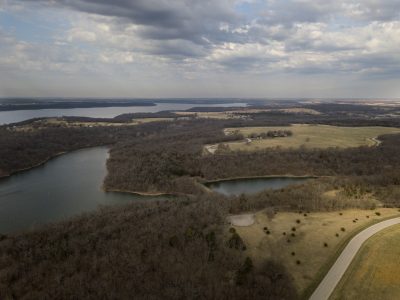
photo by: Nick Krug/Journal-World File Photo
A view of Clinton Lake is seen Wednesday, March 27, 2019, at Clinton Lake State Park.
Clinton Lake has been added to a watch list for blue-green algae.
The Kansas Department of Health and Environment issued the public health advisory on Thursday, indicating that harmful algae blooms are possible and may be present in the reservoir west of Lawrence.
KDHE monitors bodies of water in the state for algae blooms during the water recreation season, which runs from April 1 to Oct. 31.
Blue-green algae is a toxin that is harmful to humans and pets. Symptoms vary depending upon the type of exposure but can include rash, vomiting, diarrhea, fever, sore throat and headache.
When a watch is issued, KDHE recommends the following precautions be taken:
• Signage should be posted at all public access locations.
• Water may be unsafe for humans/animals.
• Avoid areas of algae accumulation and do not let people/pets eat dried algae or drink contaminated water.
• Swimming, wading, skiing and jet skiing are discouraged near visible blooms.
• Boating and fishing are safe. However, inhalation of the spray may affect some individuals. Avoid direct contact with water and wash with clean water after any contact.
• Clean fish thoroughly with potable water and eat fillet portion only.
A watch is less serious than a warning, which indicates that blue-green algae is expected or present. A warning was issued Thursday for Pomona Lake in Osage County.
An algae bloom may look like foam, scum or paint floating on the water and be colored blue, bright green, brown or red. Blooms can develop rapidly; if the water appears suspicious or there is decaying algae on the shore, KDHE says to avoid contact and keep dogs away.
Suspected algae-related health incidents, whether human or animal, regardless of season, should be reported as soon as possible at kdhe.ks.gov/1163.
For other bodies of water listed in the public health advisory, see KDHE’s website.
Other News

Local economic development groups launch campaign to raise $2.5M in private funds to spur Douglas County growth

Go, See, Do: Metaphysical Fair, Kaw River Fest in Eudora and more

Watkins Museum to open exhibit commemorating 100th anniversary of Haskell Memorial Stadium
At St. John’s 30th Oktoberfest, the secret ingredient is community – and a little bit of beer
The annual Kaw Valley Farm Tour to offer weekend of farm visits, tastings and family activities