Lawrence rapist up for parole again next month; his 1981 victim says he’s still an unrepentant danger to society, and the DA agrees
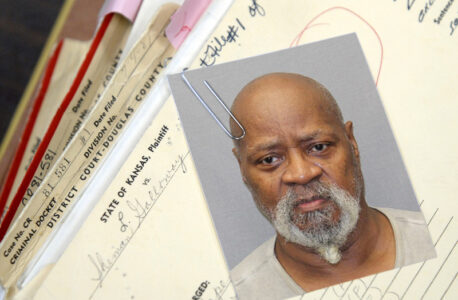
photo by: Journal-World Photo Illustration
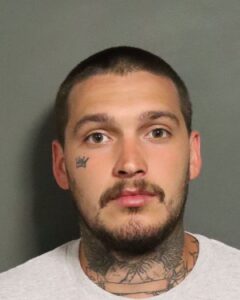
Sherman L. Galloway, pictured in this photo in 2022, was convicted of sodomizing and raping two University of Kansas students in 1981.
A woman who has worked for decades to keep the man who brutally raped her behind bars is again beseeching the Kansas Parole Board to not put “a very violent sexual predator” back into the community, and the Douglas County district attorney is backing her effort.
The woman, Jean Rhea, was viciously attacked by Sherman L. Galloway in 1981 as she jogged on a summer evening on the University of Kansas campus. Countless times in the nearly half-century since then Rhea has had to relive that “life-transforming” moment when Galloway ran up behind her with a knife and threatened to slit her throat if she screamed. He proceeded to rape, sodomize, beat and bite her as the 25-year-old fought for her life. Eventually she was able to break free; naked and bleeding, she got into the car of a passing motorist and was driven to safety — but, like so many rape survivors, not to security.
Security has eluded Rhea for 45 years as Galloway, who also raped another KU student that year, has come up for parole again and again: in 1996, 1999, 2004, 2005, 2007, 2012, 2019 and 2026. Each time Rhea has shown up to oppose the release of the man who she says has never taken accountability for his crimes or offered apologies to his victims, whose lives have been irreversibly changed by his violence.
His unwillingness to acknowledge what he did says to Rhea — unequivocally — that he would do it again.
In the other 1981 attack, which happened before Rhea’s but which came to light after Rhea reported her assault, a KU student was walking home from campus in the 900 block of Alabama Street, when Galloway forced her into a car at knifepoint, drove her to Clinton Park near Pinckney Elementary School and raped her.
In both cases the evidence against Galloway was overwhelming — including his wallet and driver’s license being found at the scene of Rhea’s attack and keys and other items belonging to the other victim being found in Galloway’s possession.
In Rhea’s case, Galloway was sentenced in 1981 to 30 years to life in prison, with the possibility of parole after 15 years. Three years later, the same judge ordered another 30-to-life sentence in the other woman’s rape, with Galloway still being eligible for parole 15 years after his first conviction. At the time of the rapes, Galloway was on parole for a violent aggravated battery committed in 1979.
Galloway, now 66, is incarcerated at the Ellsworth Correctional Facility. If the parole board finds in his favor, he could be released as early as May 1.
The public can comment on Galloway’s possible release — either opposing or supporting — during a public comment session on Wednesday, March 25, by Zoom. Registration for that session can be completed via the Kansas Department of Corrections website and closes at noon on Monday. Comments can also be submitted in writing.
The parole board will conduct a hearing with Galloway in April. That hearing is closed to the public.
Rhea told the Journal-World that, as difficult and draining as it has been, she believes that showing up — by her, by her supporters and by people committed to community safety — has made a difference.
“If you don’t show up, it may mean that you no longer care about what happened or you’re not invested in what happened,” she said, while also acknowledging that some survivors have “understandable” reasons — such as fear or lack of a support system — for not showing up.
“If it was just me alone going through this, I might not say yes,” Rhea said, “but it’s never been just me going through this. …There’s a whole team and a village who care about this issue.”
Among those, in Rhea’s case, have been some of the police officers who worked the case, prosecutors who have reviewed the case and friends and family, all of whom kept showing up for Rhea long after Galloway was sentenced.
The support has been especially meaningful to Rhea because the crime against her occurred in an era when reporting a rape could be especially stigmatizing for women and when law enforcement and the community at large could downplay such reports or engage in victim blaming.
Rhea recalls that one of the first questions she was asked at Galloway’s trial was whether she was married to him — because in 1981 it was not a crime in Kansas to rape your spouse.
That changed in 1983, and slowly but surely there has been “more education and awareness, more mental health support services and community-based services,” said Rhea, who in the years after the assault became a licensed clinical mental health professional.
There is also official recognition of post-traumatic stress disorder now, but even with cultural and legal progress, the process of reporting a rape, going through a trial and then facing the release of one’s attacker is daunting and scary, especially if a survivor is enduring the process with little support.
In addition to the support network that she’s “fortunate to have,” Rhea also has Douglas County District Attorney Dakota Loomis in her corner. Loomis told the Journal-World that he adamantly opposes Galloway’s release.
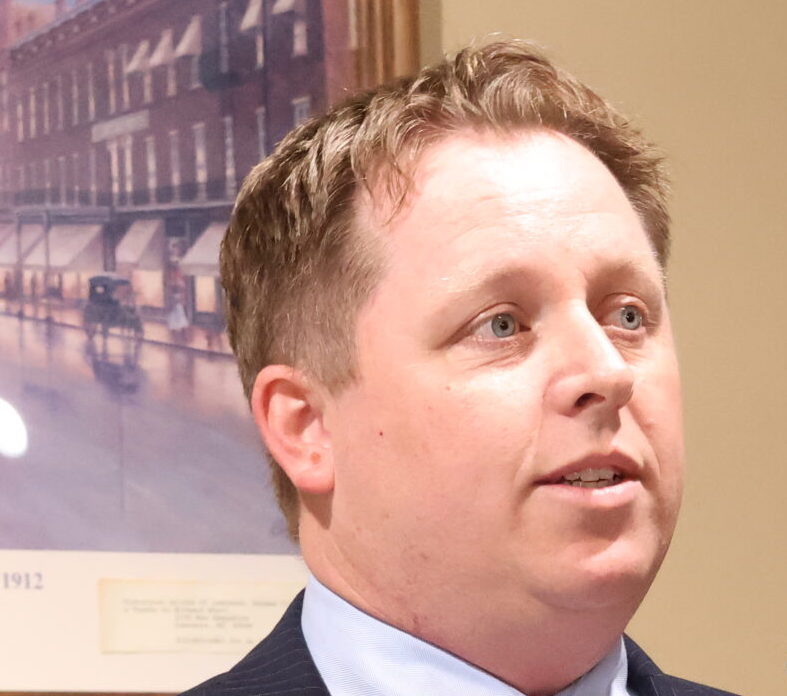
photo by: Journal-World File
Douglas County District Attorney Dakota Loomis
“Our office is submitting a written request to deny parole in this matter based upon the nature of the crimes, their level of violence and planning, and Mr. Sherman’s lack of acceptance of responsibility,” Loomis said via email Friday. “We are also in communication with Ms. Rhea and will work with her and any victims of Mr. Sherman’s to ensure his continued detention.”
Previous representatives of the DA’s Office have similarly worked to keep Galloway out of the Lawrence community. DA Charles Branson, in 2019 when Galloway was up for parole, told the Journal-World that Galloway’s crimes against the two women were “some of the most inhumane I have reviewed.”
Retired prosecutor Shelly Diehl has also spoken several times against Galloway’s release, calling him “a person who should never see the light of day — his crimes were that savage.”
Under state law, the following are among factors considered when determining parole suitability:
• Circumstances of the offense
• Previous criminal record and social history of the inmate
• Programs and program participation
• Conduct, employment, attitude, disciplinary history during incarceration
• Reports of physical/mental examinations, including but not limited to risk factors revealed by any risk assessment
• Comments from public officials, victims or their family, offender family or friends, or any other interested member of the general public
• Capacity of state correctional institutions
• Input from staff where offender is housed
• Proportionality of time served to the sentence that would have been received under the Kansas sentencing guidelines for the conduct that resulted in the inmate’s incarceration
• Presentence report.
The parole review board can make one of three basic decisions after Galloway’s April parole hearing. It can either grant parole, which would mean Galloway’s imminent release from prison; it could continue the process to gain additional information; or it could “pass” on parole again and determine when he should next be considered for potential release.
After Galloway’s 2019 hearing, the parole board denied release, citing Galloway’s history of criminal activity; the violent nature of his crimes; his denial of responsibility; and others’ objections to his release. In setting his next parole opportunity seven years out — to this year — the board noted that Galloway didn’t have a parole plan “to meet his needs or to provide for public safety”; he had committed new crimes while incarcerated or paroled in the past; the community had been “exceedingly opposed” to his release; and he hadn’t demonstrated “behavioral insights necessary to decrease his risk to re-offend.”
Public Safety
Lawrence repeat felon who threw package of meth over prison wall sentenced to 8 years
Lawrence rapist up for parole again next month; his 1981 victim says he’s still an unrepentant danger to society, and the DA agrees

Jury trial canceled, plea hearing set for man accused of multiple sex crimes

Man with lengthy criminal record, history of police chases now has 3 more convictions and is facing years in prison
Man ordered to pay nearly $2,400, serve 2 years on probation for battering sheriff’s deputy