

Hearing continued in felony child abuse case; mother faced previous charges of leaving toddlers in freezing car
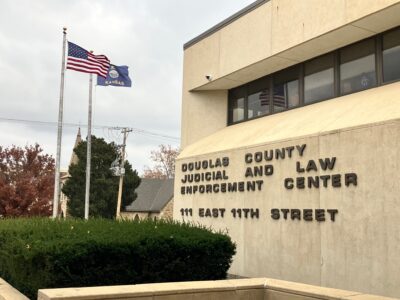
photo by: Kim Callahan/Journal-World
The Douglas County Judicial and Law Enforcement Center is pictured on Nov. 25, 2025.
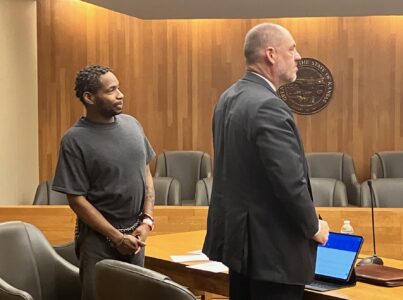
A mother who was accused in 2019 of leaving two toddlers in a freezing car as she drank at a local bar appeared Thursday in Douglas County District Court for a preliminary hearing in a 2024 child abuse case.
The hearing was continued, however, at the mutual request of defense attorney Gary West and prosecutor Devin Canfield. West told Judge Sally Pokorny that the extra time would allow “potential for resolution and additional discovery.” Pokorny rescheduled the hearing for March 18.
The defendant, Tiara N. Dillon, is facing one count of felony child abuse related to her alleged treatment on Dec. 30, 2024, of a child who is now 10 years old. Charging documents do not provide specifics of an alleged crime. A preliminary hearing would reveal some of the state’s evidence against a defendant, but that hearing did not go forward Thursday.
The 2019 charges against Dillon were dismissed on March 27, 2020, after the case was reassigned to Behavioral Health Court. In that case, a then 26-year-old Dillon was accused of two felony counts of aggravated endangering of a child and misdemeanor DUI. The children, 2 and 3 years old, were reportedly left unattended in a car late at night outside Playerz Sports Bar, 1910 Haskell Ave., during a polar vortex in which the temperature was 5 degrees with a wind chill of minus 14. The children were not injured, according to police, but had been left alone in the vehicle “without heat for a substantial amount of time” — at least two hours, according to an arrest affidavit — while Dillon was in the bar.
Dillon told Judge James T. George at a Jan. 31, 2019, hearing that she had “made a mistake” and did not mean to hurt her children.
“I love my babies,” she said through tears. “Please don’t take my babies.”
In the more recent case, Dillon is out of custody on a $20,000 own-recognizance bond.
Public Safety
Retired Lawrence police officer who was accused of hitting man pleads guilty to disorderly conduct, faces 1 year of probation

DA’s Office says woman pulled a knife on Lawrence cashier because he was rude; she says it was self-defense
Athletic trainer at heart of lawsuit against LMH, KU Health System admits accessing photos of women’s breasts, loses license
Activist’s police interference case now set for trial in August, but it may not go at all as judge mulls dismissal as sanction on state
Man convicted of 2 felonies in case originally charged as kidnapping; he’s facing at least a decade in prison
