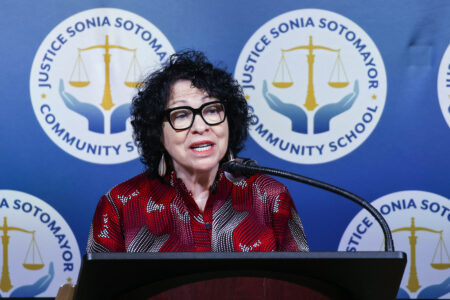
KU disbands COVID-19 command team, saying virus can be managed through ‘everyday business practices’

photo by: Chad Lawhorn/Journal-World photo
Signs at the entrance to Strong Hall, home to the Chancellor's office and other administration at the University of Kansas, alert visitors that a mask mandate is still in effect on Thursday, Dec. 30, 2021.
University of Kansas leaders on Tuesday dismantled the group that oversaw KU’s response to COVID-19, signaling that KU believes it now has the upper hand on the virus.
Chancellor Douglas Girod said the COVID-19 Unified Command Team has been disbanded on the Lawrence campus, and the university’s Pandemic Medical Advisory Team is no longer conducting regular meetings.
In an email to the university community, Girod said those steps were indications that “while COVID-19 is not gone from our lives, public health experts feel we have reached an endemic stage where the virus can be managed through normal everyday business practices.”
Lawrence and Douglas County earlier this month disbanded their joint unified command team as case numbers, hospitalizations and deaths remained well below their previous peaks from earlier in the pandemic.
Like Lawrence and Douglas County, Girod said the university would ramp up COVID-19 planning and precautions in consultation with area and national health officials if conditions warranted it.
“We will continue to monitor COVID-19 in consultation with these partners, and we will adjust should circumstances change,” Girod said in the email.
While a requirement for masks and reduced capacities in many spaces have been phased out, Girod said some changes caused by the pandemic will remain at KU. Those included expanded hybrid and remote work options, air purifiers in most common spaces, and a greater emphasis on mental health care for students and staff, Girod said in the message.
Girod said he believed KU ended up being a leader in navigating the virus, avoiding many of the large-scale cancellations of classes that several universities across the country instituted.
“Each of you had to make significant adjustments to your life to ensure KU could keep fulfilling its mission,” Girod said in his campuswide message. “Each of you had to rethink how to continue your work in a remote or hybrid environment. And many of you provided us feedback and advocated for your beliefs at key moments. This took hard work, sacrifice and courage. I’ll forever be grateful for all you’ve done for KU and your fellow Jayhawks during these challenging times.”
KU
Self announces he will continue as KU coach

KU faculty union ratifies first-ever labor contract with 92% voting yes; contract now needs Regents approval
KU researcher excited to bring prestigious NASA fellowship to university as way to mentor students, expand research opportunities
Local vendors can apply now for KU’s new monthly on-campus market, Jayhawk Fridays
KU professor, current interim leader, first finalist for journalism school dean position