Douglas County begins review to identify strengths and weaknesses of zoning and land use regulations

photo by: Chris Conde/Journal-World
The Douglas County Courthouse is pictured Thursday, Dec. 22, 2022.
Douglas County is reviewing its zoning and land use regulations to see what’s working, what’s not, and how they can be improved.
On Wednesday, county commissioners will receive a presentation on how the county is partnering with the City of Lawrence and a consulting firm to complete the comprehensive review of two sections of the County Code – Chapter 11, Subdivision Regulations, and Chapter 12, Zoning and Planning. While the effort will not produce a new zoning ordinance, it will assess how effectively the current regulations are working and outline an implementable roadmap for future updates.
During the 2026 budget discussions, Douglas County initiated a zoning diagnostic review to see how effectively the land use regulations are functioning. The review is examining whether the regulations are clear, consistent and effective and whether new development is appropriately aligning with available infrastructure, including roads, fire protection, and emergency services.
The project began this month with the first tasks including reviewing project goals and scope, creating a schedule and identifying roles between county staff and the hired consulting firm, Clarion Associates. Staff members and the consultants are working together to identify key issues and relevant background information to lead the diagnostic review.
In February, the project team will review existing zoning and subdivision regulations, plus various adopted plans that guide growth in the county. A review of administrative procedures used to approved projects also will be undertaken. The group also will look at various development projects that have been submitted to the county to determine how effectively the current system served those applications. There will also be a site visit and interviews with county staff and stakeholders to understand how the current regulations function in practice.
The actual diagnostic review will be conducted from March through May, and it will detail the strengths and weaknesses of the existing land use regulations and identify recommendations for future ordinance updates. When county staff provide feedback on the review, the project team will resolve any open issues and prepare a public draft to discuss at work sessions with the Lawrence-Douglas County Metropolitan Planning Commission and Douglas County Commission.
At the meeting on Wednesday, commissioners will be asked questions by staff including which existing standards or procedures are working effectively and should be preserved, where conflicts tend to emerge between County approvals and municipal plans, and how successful they believe current regulations are in managing areas that are transitioning from rural-style development to urban-style development.
No votes or other formal action will be taken following the presentation, according to the commission’s agenda.
IN OTHER BUSINESS, COMMISSIONERS WILL:
• Hold a work session with the Douglas County Criminal Justice Services department to review the proposed K-8 Truancy Program for the 2026-2027 school year. During the commissioners’ 2026 budget process, commissioners expressed an interest in transitioning truancy services to the Criminal Justice Services – Youth Services division. No action will follow the session, as it is for informational purposes only.
Since 2023, the county has funded truancy services for elementary and middle school students through the Center for Supportive Communities at a cost of $150,000 per year. As the Journal-World reported, commissioners approved a $62,500 consent item in December 2025 to allow CSC to continue services through the end of the 2025-2026 school year, leaving $87,500 available for the remainder of 2026.
The newly proposed truancy program from CJS is designed to address truancy early, support families, and limit court involvement whenever possible. It follows Kansas truancy law and uses a three-tiered, graduated response, meaning students receive increasing levels of support only if earlier interventions are not successful.
• Consider authorizing the county administrator to bind insurance coverage with Travelers for general property and liability insurance coverage in an amount not to exceed $1,055,161. Current insurance coverage will expire on Feb. 1 and a renewal package has been proposed to continue coverage across multiple risk areas, including general liability, law enforcement liability, employment practices liability, public entity liability, property, auto, crime, inland marine, and cyber insurance.
Insurance “exposures” – such as the number of employees, vehicles, and property values – affect premium costs, and several exposure increases are driving higher renewal rates this year. The auto and property lines are experiencing the most pressure due to increased exposures, multiple open claims, and significant past losses, including approximately $660,000 in fire and water damage claims from 2023 and several ongoing auto claims, according to a memo in the agenda.
• Consider authorizing a letter of intent to participate in the 2027 Kansas Department of Health and Environment Division of Health Care Finance program, which will signal the county’s intent to provide at least $350,000 in funding for outreach, prevention, and early intervention services. These programs focus on identifying families with at-risk infants, providing intensive and long-term home visitation, promoting healthy child development and parent-infant bonding, and connecting families to medical care and essential community resources.
Since 2013, the county has partnered with the Kansas Head Start Association and Lawrence-Douglas County Public Health, serving as the fiscal agent for services that support new parents and families with young children. By signing the letter of intent, the county is committing to funding LDCPH at no less than $350,000 in fiscal year 2027 to meet the program’s non-federal match requirements.
• Consider signing a Hazardous Materials Emergency Preparedness grant application requesting $80,000 to support hazardous materials preparedness efforts. The grant funding would go towards planning and conducting a multi-jurisdictional, full-scale transportation hazardous materials exercise. The county will provide the required $20,000 match through in-kind staff time, including hours spent planning and participating in the exercise by county employees and partnering local agencies.
• Consider updating the county’s Title VI Plan to include the services provided by the Senior Resource Center of Douglas County. A Title VI Plan establishes the county’s commitment to providing equitable access to services, outlines procedures for public engagement, and ensures compliance with federal and state grant requirements. As the Journal-World reported, the SRC was voted on by commissioners to become a county department in 2025.
The County Commission’s work session will begin at 4 p.m. Wednesday in the Douglas County Commission meeting room at 1100 Massachusetts St. The business meeting will follow at 5:30 p.m. The meeting will also be available via Zoom.
Other News
Douglas County begins review to identify strengths and weaknesses of zoning and land use regulations
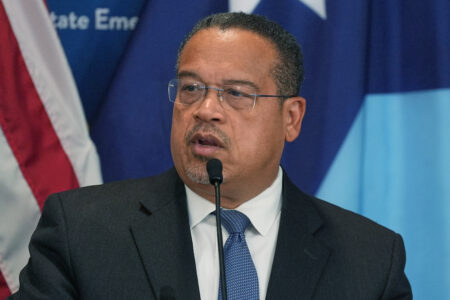
Federal judge on Monday to hear case seeking to end immigration enforcement surge in Minneapolis

Lawrence Public Schools cancels classes for Monday; KU to start late due to predicted frigid temperatures

City staff to gather feedback from Commission on whether to repeal clean energy ordinance, citing ‘unrealistic’ goals and timeline
PHOTOS: Snowy downtown as winter weather rolls in