

A Homeowner’s Guide to Choosing the Right Storage Unit
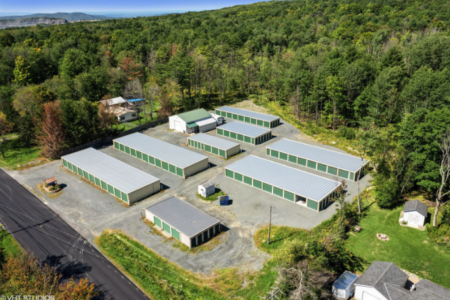
Keeping your home functional while holding onto everything you own isn’t always realistic. At some point, space runs out and that’s when an off-site solution starts to make sense. Whether you’re moving, renovating or simply trying to create breathing room, understanding how storage actually works helps you stay organized without adding stress.
For many people, choosing a unit begins with a rough guess. You look at your belongings, pick a size and hope for the best. That’s where things often go wrong.
You might end up paying for space you don’t use or, worse, realize halfway through unloading that everything won’t fit. Taking a few minutes to check a proper storage unit size guide before you start packing can save you time, effort and frustration. It gives you a clearer picture of how your furniture and boxes will translate into real space, not just assumptions.
Sizing by Physical Requirements
It helps to think in practical terms. A five-by-ten unit usually fits the contents of a single bedroom, things like boxes, small tables or a chair. Step up to a ten-by-ten and you’re looking at space for a one-bedroom apartment, including bulkier furniture and appliances.
If you’re dealing with a full household, the scale changes quickly. A ten-by-twenty unit can handle larger items like dining tables, mattresses and multiple pieces of furniture without forcing you to stack everything too tightly.
This is where self storage units for home organization become genuinely useful. You’re not just storing things, you’re creating space in your home to live more comfortably.
For bigger transitions, these setups often become reliable family storage solutions, especially when you’re moving house or downsizing. Instead of rushing decisions about what to keep or discard, you give yourself time to sort things properly.
Protecting Sensitive Materials
Not everything can be stored the same way. Temperature and humidity matter more than you might expect, especially if you’re storing items for longer periods.
Wooden furniture can warp, electronics can degrade and paper items such as documents and records can suffer permanent damage in extreme conditions. That’s where climate controlled storage comes in. It keeps the internal environment stable, protecting items that would otherwise be vulnerable to heat, cold or moisture.
Standard units still work well for tougher items like tools, plastic containers or outdoor gear. But when you’re storing anything delicate or valuable, consistency in temperature isn’t a luxury; it’s a safeguard.
Maintaining Flexibility for Transitions
Life rarely moves in a straight line. Renovations take longer than expected, moves get delayed and plans change. That’s why flexibility matters when choosing storage.
Month-to-month storage gives you that breathing room. You can use the space for as long as you need without locking yourself into a fixed timeline. If your situation changes, you adjust accordingly, scaling up or down without unnecessary pressure.
This approach works especially well for temporary needs. Clearing out rooms before selling a home, storing materials during a renovation or rotating seasonal items out of the way all become easier when you’re not tied to a rigid contract. It’s a practical way to keep your home usable while everything else is in motion.
Planning a Seasonal Storage Setup
How you organize your unit makes a big difference later. It’s not just about fitting everything in, it’s about being able to find it again without turning the whole space upside down.
A well-planned seasonal storage setup starts with placement. Items you won’t need for months can go at the back, while frequently used things stay within easy reach. Clear labels on every box, ideally on multiple sides, save you from unnecessary searching.
Consistency also helps. Using similarly sized boxes makes stacking safer and more efficient, allowing you to take advantage of vertical space. If possible, add simple shelving or store larger items, like sofas, upright to free up space without risking damage. The goal is to make the space work for you over time, not just on the day you move things in.
Securing Your Personal Property
Security is easy to overlook when you’re focused on size and cost, but it plays a major role in protecting what you store.
Look for facilities with controlled access, such as gated entry systems and individual access codes. Video surveillance across common areas adds another layer of visibility, while strong locks, especially cylinder-style options, offer better resistance than standard padlocks.
Physical features matter too. Perimeter fencing and on-site management can act as visible deterrents, reducing the risk of unauthorized access. If you’re storing sensitive or valuable items, these details become more than just extras.
It’s also worth checking what your insurance actually covers. Many home policies include off-site storage, but the limits may not reflect the true value of what you’re storing. Reviewing your coverage and considering additional protection can prevent unexpected losses if something goes wrong.
Taking the time to properly assess a facility, from security to environmental controls, ensures your belongings are not only stored but also genuinely protected. When it’s time to bring everything back home, that preparation makes the process far smoother and far less stressful.