Amid driver shortages, City of Lawrence approves 12% starting wage increase for bus drivers; union anticipates more will be needed

photo by: Mike Yoder
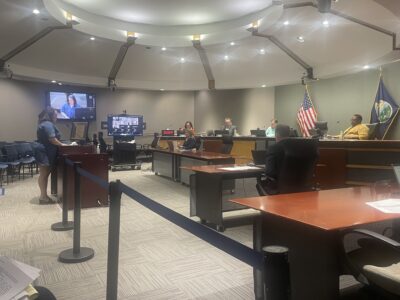
A Lawrence Transit System bus stops just south of Seventh and Vermont streets, Monday, Jan. 18, 2016.
City leaders have approved an approximately 12% increase to the starting wages for local bus drivers as the industry struggles with staffing shortages, and union leaders anticipate more wage increases will be needed.
As part of its meeting this week, the Lawrence City Commission voted as part of its consent agenda to approve an amendment to the service agreement between the city and First Transit to raise the starting pay for bus drivers from $15.61 to $17.50 per hour, or an approximately 12% increase. The commission also approved funding for pay increases for other hourly transit employees, such as dispatchers and road supervisors.
Transit and Parking Manager Adam Weigel said in a memo to the commission that the pay increases were among various strategies to attract and retain workers amid staff shortages in the industry.
“Like agencies throughout the region and country, Lawrence Transit is experiencing an extended period of bus operator hiring shortages,” Weigel said in the memo.
The City of Lawrence contracts with First Transit to operate the city’s bus service, which is coordinated with the University of Kansas bus service. Weigel said city staff has worked closely with First Transit management on “extensive recruiting efforts,” as well as evaluating other strategies to retain and attract workers to transit operations. He said those strategies have included hiring bonuses, referral bonuses and restructured positions to provide more flexibility in work schedule for full- and part-time staff.
The transit employees who work for First Transit are covered by a union contract, and union leaders said pay would continue to be an issue. Justin Priest, president of Amalgamated Transit Union Local 1754, told the Journal-World that the $1.89 per hour increase was nice but, considering the driver shortage and that drivers have been working through a pandemic, the union would like to have seen wage increases come sooner.
“We worked through a pandemic; we couldn’t work from home,” Priest said. He said the union’s contract with First Transit went through 2022, and he anticipated that more wage increases would be needed to remain competitive.
First Transit staff evaluated the local market in consideration of the wage increase and found that other area transit services as well as other local employers had increased wages or offered higher wages than First Transit, according to the city memo. Based on that information, First Transit requested the wage increase for bus operators and other transit employees. The other wages reviewed by First Transit included the following:
• Topeka Metro has a starting wage of $14.43 per hour, and after an estimated three-week training that wage increases to $17.79 per hour.
• Johnson County Transit has a starting wage of $20 per hour.
• McDonald’s has a starting wage of $15 per hour.
• Amazon has a starting wage of $17.80 per hour.
• Maximus, a local call center, has a starting wage of $17 per hour.
To cover the wage increases for nondriver transit employees, First Transit requested an increase in two rates paid by the city, the rate per revenue hour and the rate per service month. Commissioners approved the requested increase, which constitutes an increase from $44.35 to $47.33 in the first rate and from $131,562 to $138,733 in the second rate.
Taken together, the pay increases will result in an estimated increase in city costs of about $417,000 in 2022 and about $427,000 in 2023. The memo states that the increases in 2022 and 2023 will be covered by federal American Rescue Plan funds provided for transit operations, but city staff will need to evaluate local, state and federal revenue for transit — which may increase under the recently approved infrastructure package — to determine whether the city can continue to afford the same levels of service at the increased rates in future years.
City Government
Alvamar homeowners sue golf course ownership, seeking $26M in damages and restoration of defunct golf holes
Lawrence city commissioners might move general public comments to earlier in their meetings

With new murals, Junior Girl Scouts and Jewish congregation hope to turn bland buildings ‘into something beautiful’

60 people from 23 states have applied for Lawrence’s city manager position, mayor says
City of Lawrence will soon start application process for a construction manager for Fire Station 6