

Garden Variety: The best native plants for your garden
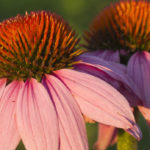
Purple coneflower (Echinacea purpurea)
Take a walk through Kansas’ prairies, woodlands and wetlands, and you are sure to find beauty in the native grasses, trees, shrubs and flowers you find growing there.
Many of these plants are suitable to grow in home landscapes, and are well adapted to surviving there. Native plants are also supportive of native animal life (such as pollinators and birds) and require little maintenance.
The difficulties of incorporating native plants into the cultivated landscape are defining “native,” finding the species you want at the garden center and planning for/getting to know their growth habits.
Purple coneflower is a popular prairie wildflower that provides a glimpse into what it means to incorporate natives. First, when shopping for purple coneflower (Echinacea purpurea), you may find other related species such as pale purple coneflower (E. pallida) or yellow purple coneflower (E. paradoxa). While some of these are native to Kansas and the Midwest, others are from more limited areas of the country. In other plant species, close-sounding relatives may have even originated from other countries.
You may also find cultivated varieties such as Magnus, White Swan and Razzmatazz, or hybrids (crosses between two different coneflower species) such as Sunrise, Sunset and Tangerine Dream. The question then comes to where to draw the line of planting the true native or the slightly prettier or better behaved relative. Purists will tell you that the true purple coneflower is better for the birds, bees and butterflies than the cultivated varieties, but most gardeners would agree that a cultivated coneflower is better for the environment than an exotic flower.
Locating the species coneflower rather than its cultivated cousins might be more difficult than it sounds, and will be even more so with certain native species. As native plants gain popularity in the market (and consumers ask for them), this will become less of an issue.
Getting to know the growth habits of native plants is a smaller problem but still goes with the territory. With coneflower, the species spreads rapidly in cultivated landscape beds. Once it is established, you will be digging them up to give to friends and neighbors each spring, rapidly expanding your flowerbeds, or bulking up the compost pile each spring. Cultivated varieties and hybrids are generally less prolific. With other native species, plants may be similarly prolific, have short bloom times, late emergence, look weedy at certain times of the year or have other maladies.
Despite the learning curve, natives are an asset to any landscape. To learn how and where to start with natives, check out the Missouri Prairie Foundation’s Grow Native program, the Kansas Native Plant Society, and the Kansas Wildflowers and Grasses website (maintained by K-State libraries). The U.S. Department of Agriculture’s database at plants.usda.gov is another resource to determine the native range of various plant species.
Native plants to start with:
(“Native” here means Kansas or portions of the Midwest)
Flowers: aster, bee balm, black-eyed Susan, blue false indigo, blue sage, butterfly milkweed, cardinal flower, celandine poppy, columbine, compass plant, coneflower, coreopsis, cup plant, garden phlox, goat’s beard, goldenrod, Heliopsis, Jacob’s ladder, Joe-pye weed, Liatris, Missouri primrose, penstemon, purple poppy mallow, Solomon’s seal and wild ginger.
Shrubs: arrowwood viburnum, beautyberry, black chokeberry, blackhaw viburnum, buttonbush, deciduous holly, fragrant sumac, nannyberry viburnum, ninebark, spicebush, Virginia sweetspire, wild hydrangea, witch hazel.
Trees: American smoketree, baldcypress, Kentucky coffeetree (seedless variety available), oak (several species), pecan, red buckeye, redbud, river birch, serviceberry.
— Jennifer Smith is a former horticulture extension agent for K-State Research and Extension and horticulturist for Lawrence Parks and Recreation. She is the host of “The Garden Show.” Send your gardening questions and feedback to features@ljworld.com.