

Fix-It Chick: Some ways to keep cooling costs in check
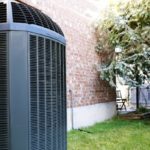
Your air conditioning unit should always be clear of vegetation and debris to allow for proper air flow.
When temperatures soar above 90 degrees, the cost of cooling a home can soar too. Keep cooling costs in check by following these simple steps:
Step 1: Service air conditioner units annually. Keep motors lubricated, condensation lines clear and condenser coils clean to save money and increase the life of the air unit.
Step 2: Clear away debris and vegetation from around the air conditioner to allow for proper air flow.
Step 3: Use landscaping to create shade for the home and the air conditioner. A single tree can shade a home enough to reduce the inside temperature by 8 to 10 degrees during the summer.
Step 4: Change the furnace/air-conditioning filter at least once every 90 days. Use a good quality pleated furnace filter for optimal energy efficiency.
Step 5: Use fans to maximize air circulation. Make sure ceiling fans are rotating counter clockwise during the summer months.
Step 6: Turn off the air conditioner and open the windows whenever temperatures drop below 80.
Step 7: Seal up cracks and crevices around windows and doors. Add additional insulation in the attic if warranted.
Step 8: Seal duct work joints with mastic sealant to reduce air loss.
Step 9: Keep window shades closed during the day or install reflective window film on east and west facing windows.
Step 10: Replace older window screen with energy efficient solar screen to block up to 70 percent of the heat generated from sunlight.
Step 11: Grill outdoors and use small appliances to eliminate oven and stove usage.
Step 12: Hang clothes out to dry instead of using a gas or electric clothes dryer.
Step 13: Hand wash dishes or run the dishwasher at night, with full loads. Skip the heat dry cycle on the dishwasher completely.
Step 14: Install a programmable thermostat. Set it to 78 when people are home and 88 when the house is empty.
Step 15: Replace incandescent bulbs with cooler compact fluorescent bulbs or LED bulbs.
Step 16: Turn off computers, televisions and other heat-producing appliances when they are not in use.
Step 17: Paint the house a lighter color to reflect heat better.
— Have a home improvement question for Fix-It Chick? Email it to Linda Cottin at hardware@sunflower.com.