Double Take: Meninists, like feminists, can take message to extreme
Kyra: This week we follow up our last column on feminism with an introduction to meninism, its purported countermovement. My introduction came in the form of a tweet about abortion with the hashtags #YesAllMen and #MeninstTwitter. In it, a user declared that men should have a say in whether their partner chose abortion versus maintaining a pregnancy — a reasonable point of debate. Another replied, “We do!” next to a picture of a man pushing a woman down a flight of stairs captioned “Plan C.”
Disgusted, I clicked on the hashtag #MeninistTwitter to see if that tweet was an anomaly. Instantly, my screen was flooded with meninist accounts joking about rape and domestic violence while declaring that feminists were crazed lesbians looking to strip straight white men of their rights and wanting an excuse to not shave their legs.
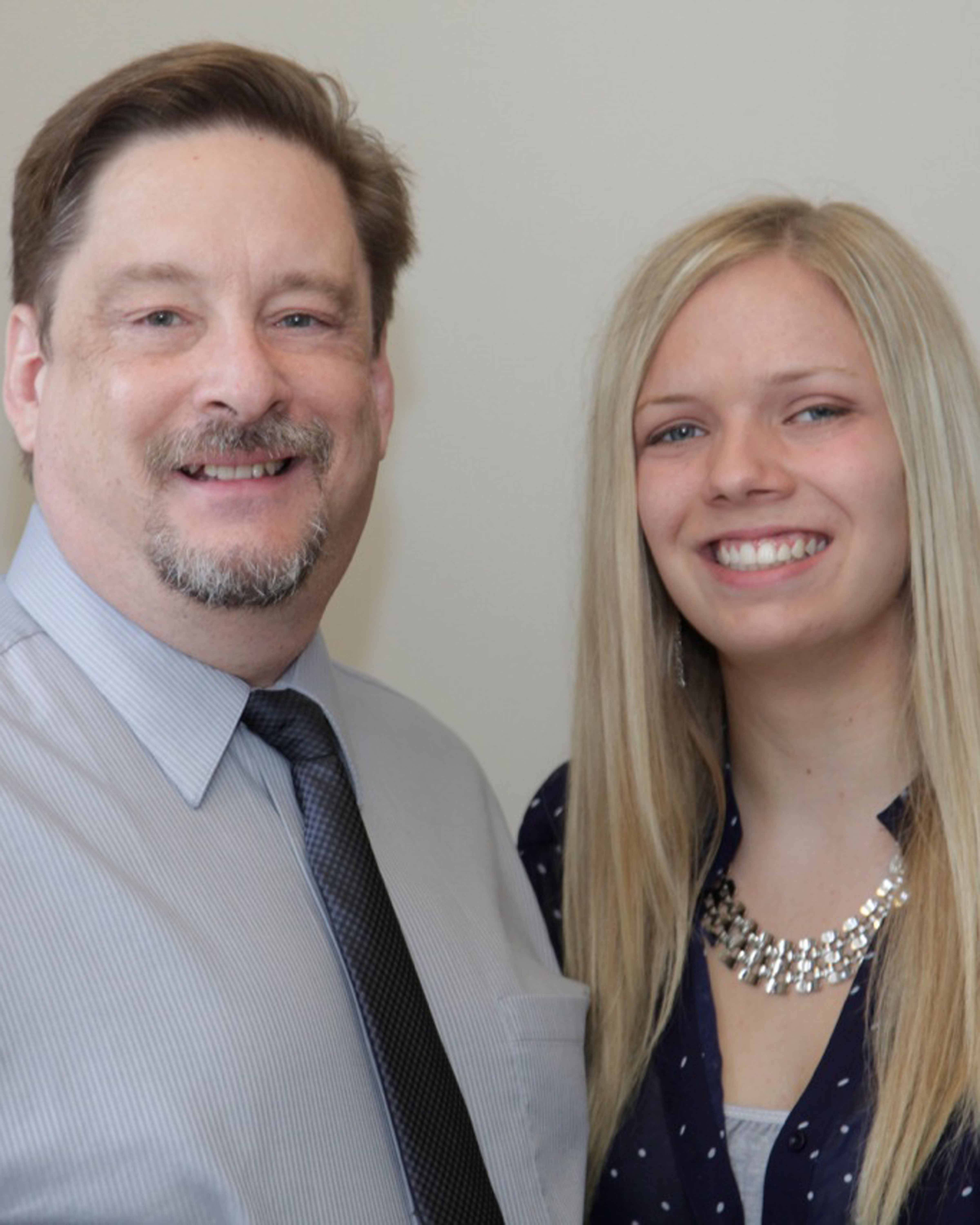
Dr. Wes Crenshaw and Kyra Haas
In fairness, feminism has its share of extremists, as do most movements. However, just as most Christians are not members of the Westboro Baptist Church, most feminists are not on Tumblr, plotting to kill all men. One may argue that meninists fall in this same category, that most are simply criticizing the flaws of extreme feminism to advocate true equality. While there might be some meninists of that mindset, from what I’ve seen on social media, many use the hashtag to highlight misogynistic jokes about how women should stay in the kitchen, feel special when they’re cat-called, and be content with sexual objectification.
In a recent episode of NBC’s “Parks and Recreation,” a men’s rights group and a women against feminism group protest Leslie Knope (Amy Poehler)’s involvement in her husband’s congressional campaign. The episode satirizes these organizations with lines from meninists like, “We are sick and tired of this feminized society. Men have had a very rough go of it for… just recently. And it ends now.”
As all genders continue to advocate for equality, it is understandable that some may feel threatened. Unfortunately for those few, it’s 2015, and support for oppression and discrimination is at an all-time low.
Wes: We need a meninist movement. Today girls outnumber guys 3:2 in college graduation. To this I could say, “Go girls!” But that’s what girls have heard now for over 40 years. We’ve taught our daughters as parents and as a society that if they don’t get up and do what needs to be done, they’ll be dependent on some guy for their survival. Girls hated that image 40 years ago and they hate it even more now, as they increasingly question how reliable guys are and how useful marrying one is.
In response, girls have become a force to be reckoned with. So where does this leave guys? If the self-proclaimed meninists are any indication, the answer is bitter and disappointed. History tells us that this is always the case when an oppressed group rises in status to equal the oppressor. Not infrequently it ends in violence and degradation, as someone loses something to someone they consider “beneath” them, and they doesn’t like it very much.
There are countless ways men are expressing that sentiment these days, bubbling up everywhere from social media to mass media, as Kyra notes, to online explicit content, which has become increasingly more violent and degrading to women in the last few years, and is available at the click of a mouse for free.
A real meninist movement might instead take a cue from the successful rise of feminism to convey to boys the critical lessons of self-sufficiency, drive, and ambition. We could teach our sons, as I am mine, that nobody is going to give you anything that you don’t earn and that hard work pays off where privilege does not. One of my young feminists heard me say this once and commented, “Wait, are you saying oppression helped us?” I said, “No, I’m saying it’s worked out better for you than it has for the guys who did the oppressing.” That’s my story, and I’m sticking to it.
In the end, the message of equality and liberation isn’t good for just one gender. It’s good for humanity.
— Wes Crenshaw, Ph.D., ABPP, is author of “I Always Want to Be Where I’m Not: Successful Living with ADD & ADHD.” Learn about his writing and practice at dr-wes.com. Kyra Haas is a Free State High School senior who blogs at justfreakinghaasome.wordpress.com. Send your confidential 200-word question to ask@dr-wes.com. Double Take opinions and advice are not a substitute for psychological services.
Health
Nonprofit plans a full slate of events for Sexual Assault Awareness Month, including trivia, art auction, vigil for survivors

Public invited to free event focusing on birth outcomes in Douglas County

IT’S NOT JUST VACCINES: Parents are refusing other routine preventive care for newborns

Ion robotic bronchoscopy transforms lung cancer detection

Just how important is a water filter?