

Garden Variety: Low-maintenance lawns
Just about anyone with a lawn can get excited over the words “low maintenance” and “drought tolerant” and the companies that sell grass seed and sod use them freely.
Buffalo grass and zoysia grass, both of which are coming into season this month, are two lawn options that really are low maintenance in the right situation. Consider them for new or renovated lawns if you like the aesthetics and have plenty of sun.
Since buffalo grass and zoysia grass are warm-season grasses (a scientific classification), they are only green and actively growing through the summer months. That means they will be brown and dormant a good part of the year, especially in the early spring when most other plants are lush and blooming. The color is just aesthetic, but it is different from the cool-season fescue and bluegrass lawns that are more common in the area.
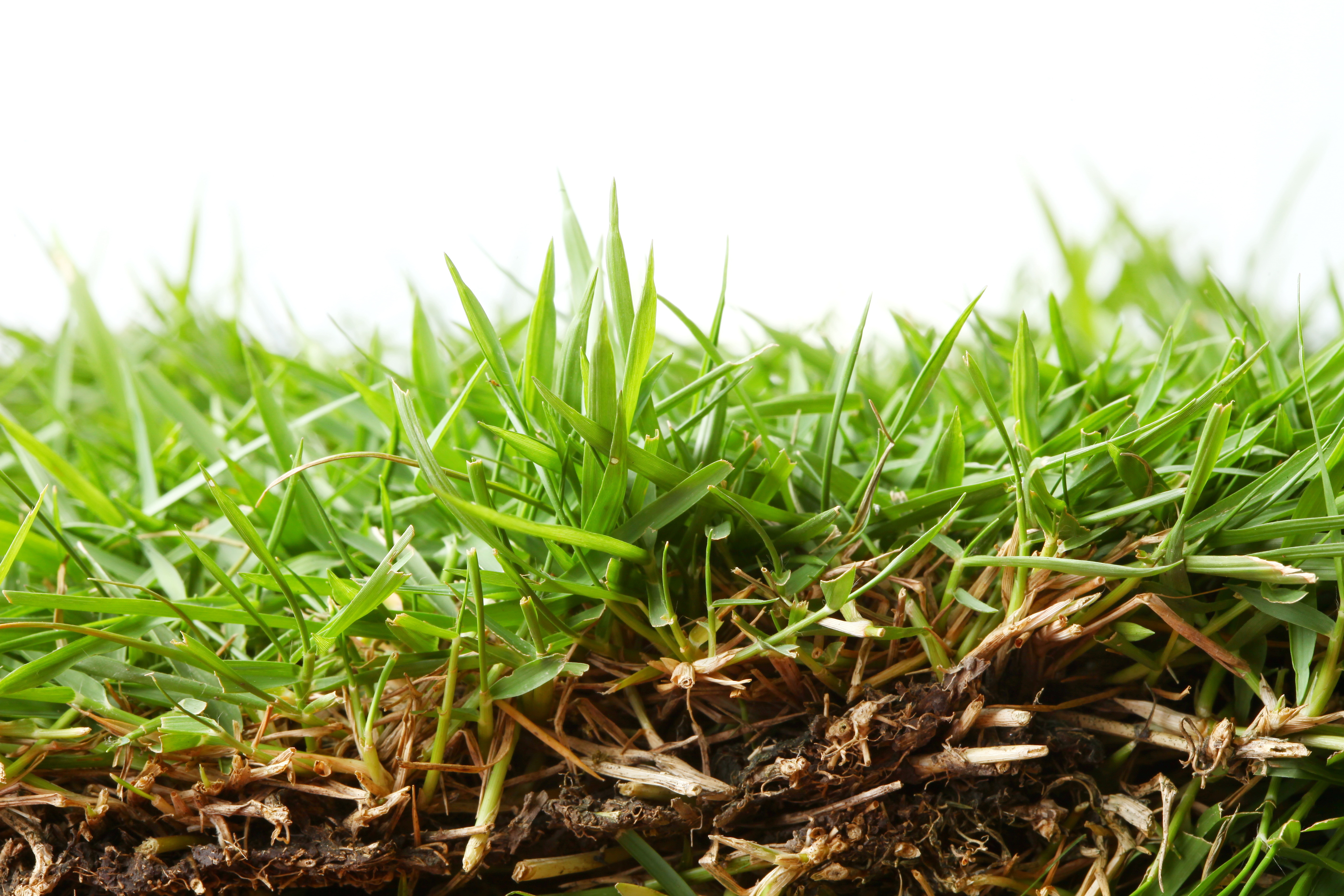
Zoysia grass
As far as plant health, the most important factor for success is sunlight. Buffalo grass and zoysia grass really need full sun. (Think hot and dry all the way.) In areas with light shade, the grass will be thinner and could allow erosion. Buffalo grass and zoysia grass are unlikely solutions to areas where other grasses struggle.
Both grasses can be seeded, sodded or plugged into mid-June. For buffalo grass, seed is most commonly used for establishment. This species grows more slowly than others, so it may take 18 months or more to form a dense cover. For zoysia grass, plugs are preferred over seed or sod. Plugs can be worked into an existing lawn to avoid bare soil. Although zoysia grass grows more quickly than buffalo grass, initial establishment may take longer depending on the method used.
Buffalo grass care is simple: Mow if preferred in summer months, water occasionally over extended summer drought periods, and fertilize lightly in June if desired. Because the grass only grows to 8 to 10 inches tall and the blades arch over, it is frequently left unmowed.
Zoysia grass is a little more work than buffalo grass. Mowing is necessary to keep the grass from developing a thick vegetative layer called thatch that inhibits water movement. (And remember, the grass is growing most rapidly during the hottest part of the summer!) Supplemental watering is rarely needed once the grass is established. An annual mid-summer fertilizer application can also help zoysia grass, but should be used sparingly otherwise to avoid thatch promotion. Established zoysia grass should also be dethatched annually in June or just before new growth begins.
A third warm-season grass that occasionally gets attention and often gets mixed responses in the Midwest is Bermuda grass. It is a very desirable grass in warmer, drier climates, but most of what is growing around northeast Kansas is a weedy species. Wild Bermuda grass is unlikely to form a dense lawn like the turf-type varieties grown farther south and will be more excited about creeping into the flower beds than filling the rest of the yard.
A variety called Midlawn is recommended by Kansas State University for best cold hardiness. Newer varieties may also be available although less widely tested. Care is similar to zoysia grass.
— Jennifer Smith is a former horticulture extension agent for K-State Research and Extension and horticulturist for Lawrence Parks and Recreation. She is the host of “The Garden Show” and has been a gardener since childhood. Send your gardening questions and feedback to features@ljworld.com.
City Government
Lawrence is charging water, sewer customers a special tax not required by state or city law

Lawrence housing market strains residents as development fails to keep up, city’s affordable housing study finds

Property tax protest bill would let a few dozen voters block tax increases in some parts of Douglas County
Portion of 19th Street to close during much of April for stormwater structure replacement

With water and sewer rates soaring, a city utility fund has had multiple financial discrepancies
