Kansas lieutenant governor spending holidays on relief mission
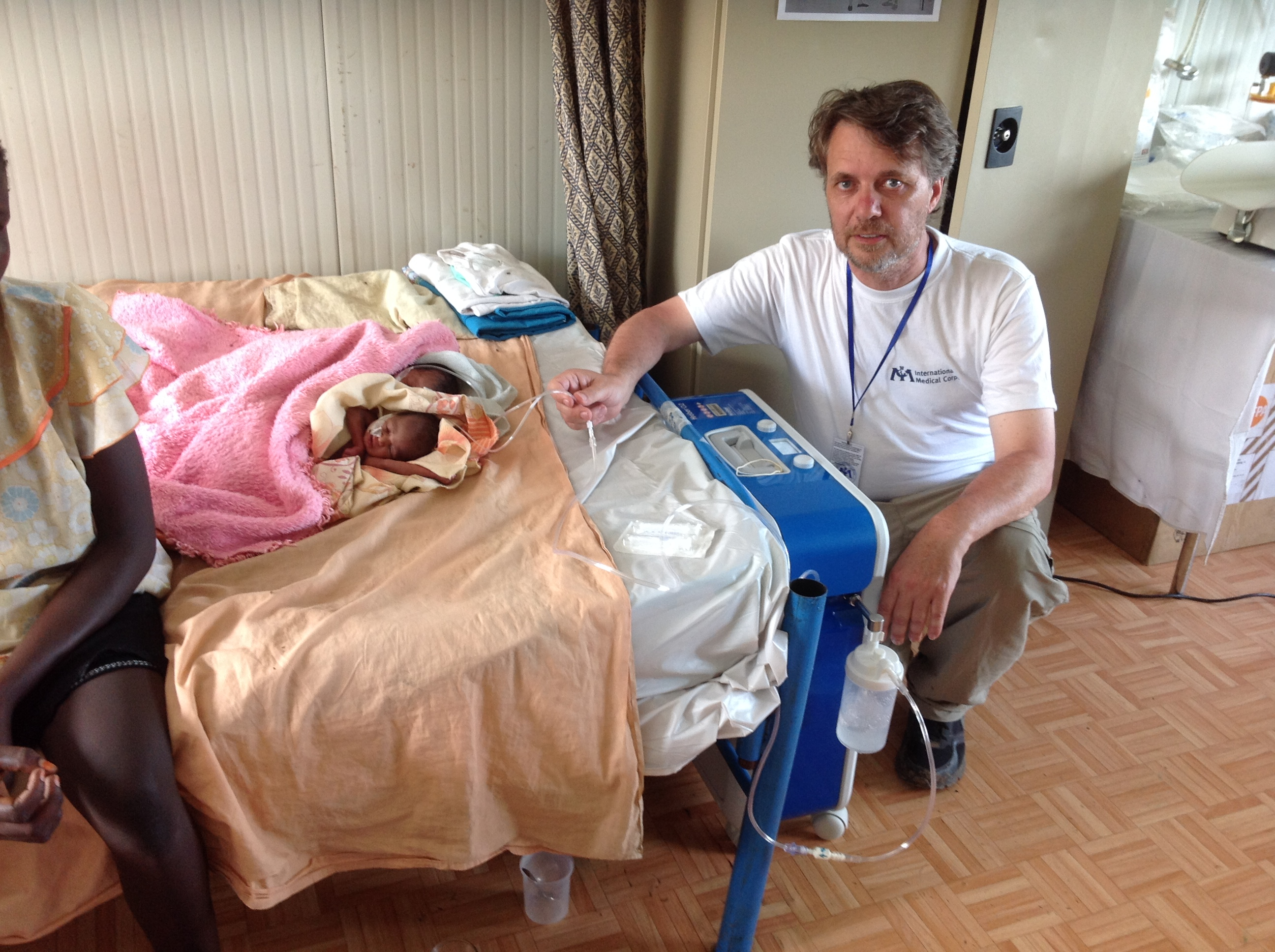
Lt. Gov. Jeff Colyer tends to a pair of premature twins he delivered in 2014 during a relief mission in South Sudan. Colyer, a plastic surgeon, has been a volunteer with International Medical Corps since the 1980s.
Topeka ? While most people in Kansas will be ringing in the new year over the next week, Lt. Gov. Jeff Colyer will be overseas providing medical relief in the Middle East.
Colyer, a plastic surgeon who practices in Johnson County, has been a volunteer for almost 30 years with International Medical Corps, a non-governmental relief agency made up of doctors, surgeons and other health workers who have been active in some of the most troubled, war-torn areas of the world.
And while security concerns prevent him from saying exactly where he’ll be this holiday season, he took time recently to talk about some of the other areas where he’s worked in the past and why he’s committed to the work of the IMC.
“I was one of the very first volunteers for International Medical Corps in 1985,” Colyer said during a recent telephone interview. “That was when the Soviets invaded Afghanistan. I helped them start their very first program, and what we were doing was training Afghan medics.”
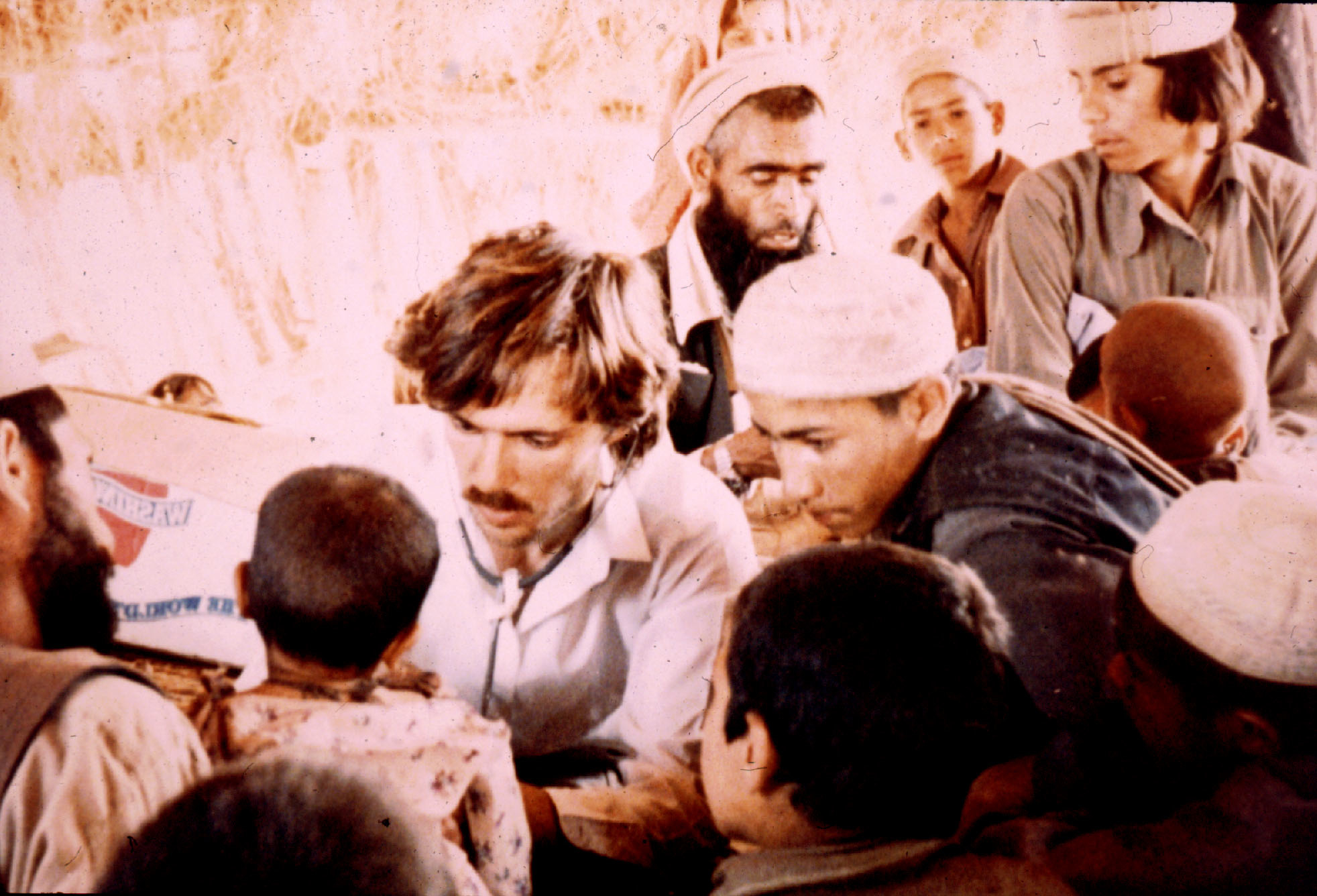
Lt. Gov. Jeff Colyer was part of a humanitarian relief mission with International Medical Corps in Afghanistan during the Soviet occupation in the 1980s. This photo, from 1986, was taken in a clinic IMC set up in Peshawar, Pakistan, on the Afghan border.
“We were based around Peshawar, Pakistan, and we would use Afghan medics to set up about 90 hospitals and clinics inside Afghanistan,” he said.
IMC performs work similar to that of the more-publicized French-based organization, Doctors Without Borders. In fact, Colyer said, both organizations started around the same time working in Afghanistan.
“IMC is now in about 30 countries as we speak,” Colyer said. “It’s a little bit quieter than some other organizations.”
According to the organization’s website, IMC was founded in 1984 by Dr. Robert Simon, who at that time was a young emergency-room physician at UCLA Medical Center, who was troubled by the plight of the Afghan people after the Soviet invasion five years earlier.
By the time IMC got involved, all but 200 of the nation’s 1,500 doctors had been executed, imprisoned or exiled, and no relief agencies were allowed into the country. So IMC set up camp in Peshawar, along the Afghan border near the Khyber Pass.
“There are two things I like about IMC,” Colyer said. “One is, they’ll make long-term commitments to a place. They’ve been in Afghanistan since the ’80s, through the Taliban, through all the stuff.”
“The second thing,” he said, “is most of this is helping the local folks get control of their medical system and do things. It’s not just going over and doing a couple of operations and coming back. It’s really helping them set up so they can handle some of these issues.”
In 1994, Colyer was sent on another mission that he said became a turning point in his life: helping the victims of genocide in Rwanda.
“Rwanda changed my life,” he said.
“When we got there, everything had been looted, and there were people that were just cowering in the corner of the hospital,” Colyer said. “It was the most horrific thing that you can imagine. And so, when you’re in a situation like that, what do you do?”
When he first arrived, Colyer said, there was still heavy fighting in the village where he worked, especially at night. So he and others in the hospital chained the doors and the windows shut and even leaned a pop bottle against the door so they could hear if anyone broke in.
“The big thing was we started helping folks, and helped them get control again. So one of the things we did was — literally the hospital had been looted, ransacked — so we started, we painted the walls,” he said.
“And you start getting other people involved, and before long we had the hospital up and running again. The community would come back in and the fighting died down,” Colyer said. “The killing wouldn’t happen at night as people took over their community again. So it was a really amazing, amazing place.”
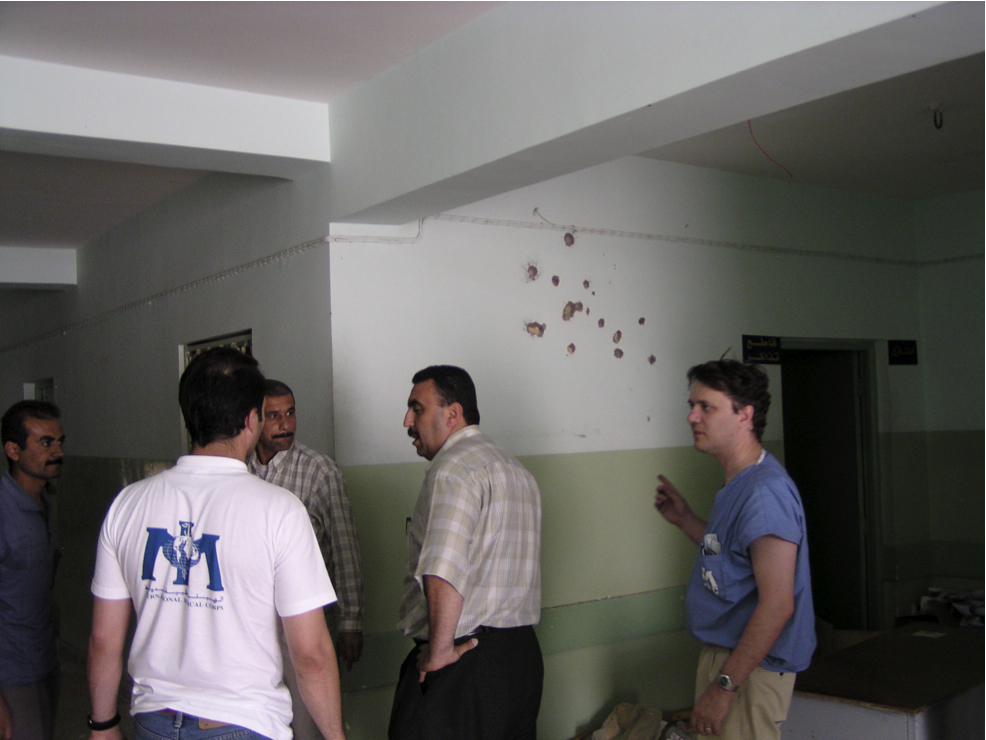
In 2003, Dr. Jeff Colyer was part of the first team of International Medical Corps volunteers to go into Iraq after the invasion known as Operation Iraqi Freedom. IMC is a non-governmental relief agency that provides medical care to victims of war and natural disaster and helps communities in those areas re-establish their own health care delivery systems.
Colyer said he stopped counting the number of countries he’s been to about 10 years ago, but he estimates it’s more than two dozen. He said most of the medical work he does involves treating people with gunshot wounds, severe burns and shrapnel injuries from bombings.
But more important, he said, is the work IMC does in helping local communities re-establish their own health systems and take back control of their own lives. And over the years, he said, that work has been paid back in kind.
“I was very involved in the Balkans and Kosovo and those conflicts,” he said of the 1990s civil war in the former Yugoslavia. “And now many of the volunteers – I was in South Sudan earlier this year, and some of our team were people that were from Croatia and Bosnia. They’d gone through their own civil war, and now they’re working in South Sudan, volunteering with IMC and working with them there. Good things happen.”
Colyer said those are the kinds of things that keep up his spirits during otherwise desperate situations that many others would find unbearable.
“If you don’t go, nobody else is going to do it,” he said. “I’m a Kansan and I really think we’re really here to make a difference in people’s lives. It starts here in Kansas, but what I try to do is make a difference in other places. I’m just very proud of that organization. They have grown so much.”
Colyer said his current trip to the Middle East will only last about 10 days. He has to be back in Topeka in January for inaugural festivities and his own swearing-in on Jan. 12.
State Government
Nine Douglas County organizations receive around $70,000 in state grants for arts programming

2026 Primary Election Guide
Kansas’ primary elections feature crowded races for governor nominations across both parties

Meet the candidates running in primaries for Kansas State Representative across Douglas County
Questions and answers about the Supreme Court selection amendment