Educational eating
After-school snacks don't have to be unhealthy
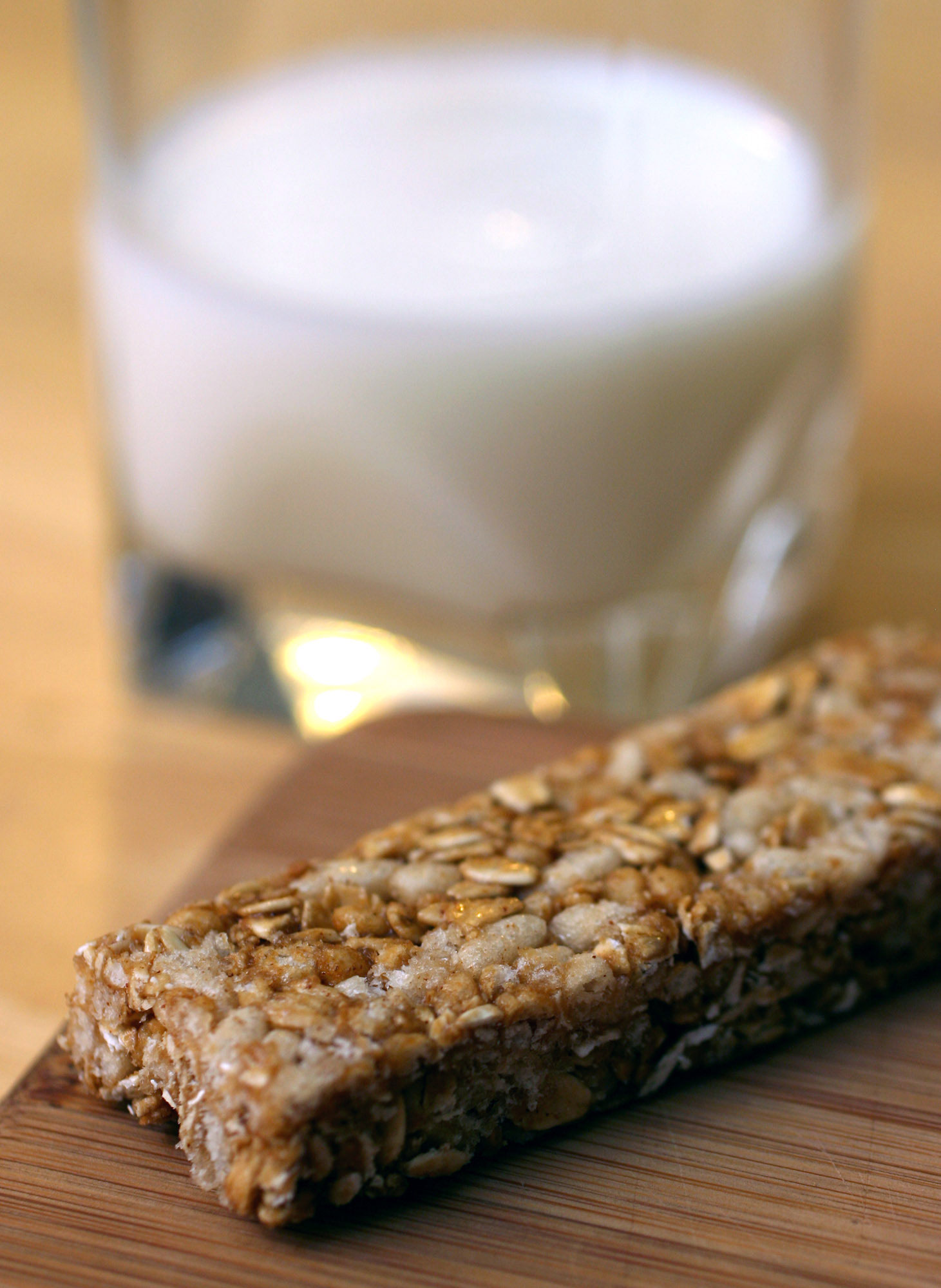
Include low-fat or nonfat milk with any healthy snack like a low-fat granola bar.
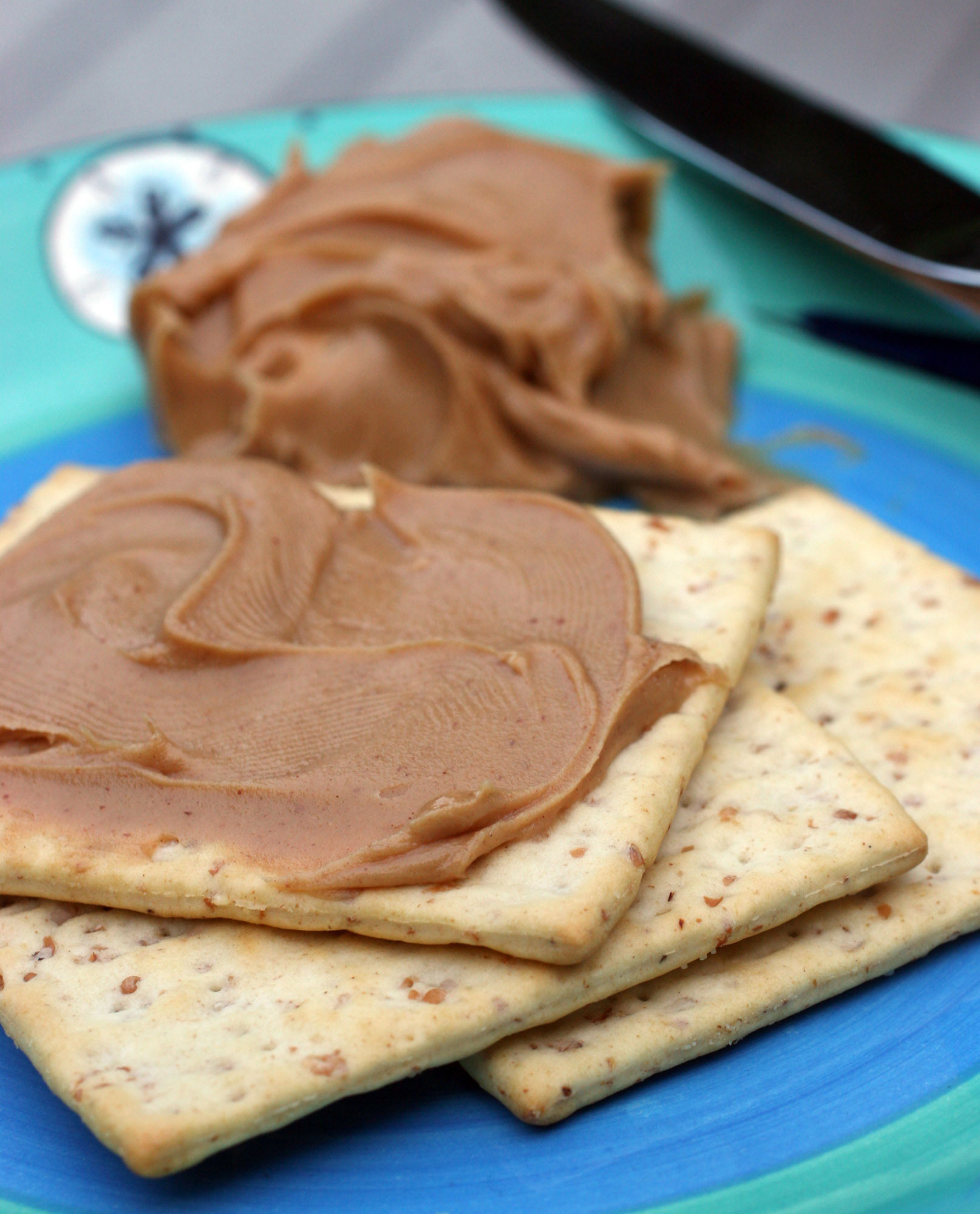
Nutrition expert Susan Krumm says an afternoon snack is just as important as a good breakfast for children. Three to six whole-grain crackers (depending on size) and 2 tablespoons of peanut butter makes a good, properly sized snack.
HEALTHY AFTER-SCHOOL SNACK IDEAS
¢ Wrap 1/4 cup canned beans in a whole-grain tortilla and top with diced tomatoes, lettuce and 1 slice of cheese
¢ 1/2 cup dried fruit, such as raisins, dried apricots, cranberries and pruned plums with mixed nuts (unsalted, if possible)
¢ 3/4 cup dry whole-grain breakfast cereals with 1/2 cup low-fat or fat-free milk and sliced fresh fruit
¢ 1 cup sliced fresh vegetables, such as carrots, celery, broccoli and baby carrots with 1/2 cup low-fat yogurt or sour cream-based dip
¢ One low-fat granola bar
¢ 3/4 cup sliced fresh fruit, such as apples, pears, peaches, papaya, banana or pineapple with 1/2 cup low-fat yogurt or cottage cheese
¢ 1/3 cup hummus or tabbouleh with 4 small whole-wheat pita bread triangles
¢ 3 cups unbuttered popcorn
¢ 1 Slice of cheese or 2 tablespoons of peanut butter with 3 to 6 (depending on size) whole-grain crackers
With as much emphasis as some parents put on having their children eat a healthy breakfast, Susan Krumm thinks afternoon snacks might be just as important.
“Some of them are eating (lunch) so early in the school day,” says Krumm, an extension agent in family and consumer sciences with the Douglas County Extension Office. “They’re really needing that afternoon snack because they’ve used up all their energy from that lunch. We want to encourage after-school snacks just as much as we encourage breakfast, so they won’t be so famished for dinner.”
But that doesn’t mean relying on traditional – and unhealthy – snacks such as cookies, chips or snack cakes.
“The first thing I think is great is to really focus on non-fried fruits and vegetables,” Krumm says. “It’s best if they’re fresh, but even the canned form or frozen is better than going to some of the other options.”
Sometimes, sprucing up vegetables with a little flavor is enough to get children to eat them. Spray-on dressings offer a lot of flavor with few extra calories for a bowl of carrots, Krumm says, and even ranch dressing – especially the low-fat or fat-free varieties – is OK to serve.
She suggests having a number of healthy after-school snack options to offer students.
“You can have two healthy choices for them to consider,” Krumm says, “instead of one that’s not healthy and one that is.”
Lots of choices
If that still doesn’t pique your children’s interests or appetites, don’t worry. Krumm says there are plenty of unusual-yet-simple options for satisfying after-school hunger.
She says something as simple as a cheese quesadilla – especially with whole-grain tortillas and low-fat cheese – makes for a good option. So do breadsticks.
“You eat them before pizza, why not have that as a snack when they get home?” Krumm says. “Kids love spaghetti sauce.”
Making roll-ups with low-fat turkey is another healthy choice, Krumm says.
Sometimes, foods that are usually looked upon as unhealthy can be OK. For instance, buying baked tortilla chips – instead of the fried ones – and serving them with salsa isn’t a bad choice.
In general, Krumm suggests incorporating at least two food groups into an after-school snack.
Other considerations
Here are some other ground rules for selecting after-school snacks:
¢ Look for whole-grain foods, such as whole-wheat breads, crackers, pastas or corn tortillas with at least 3 grams of fiber per serving. Whole-grain foods are both more nutritious and more filling than refined grains.
¢ Try mapping out a child’s food consumption with a wall chart and stickers, aiming for more than five servings of fruits and vegetables a day. Snacks can be part of that process.
“Kids love to be part of the process, decision-making, preparation, taste-testing, and of course, enjoying eating,” says Christina Economos at Tufts University’s Friedman School of Nutrition.
¢ Teach your children about proper portion control.
¢ Keep in mind that beverages count – a lot.
Limit 100 percent real juice to 1/2 cup a day. For the rest of the day, offer water (seltzer water can make it more interesting) or milk.
Sports beverages can be as bad as soda. Only highly active children need these.
¢ Model good behavior. Don’t expect your child to nosh celery if you’re chomping on cookies and chips.
Krumm says in many cases, adults assume children want fatty or sugary foods.
“It depends on what our attitudes are on what is a treat,” she says. “Parents might be thinking (children) will want cookies or French fries. A lot of times, given the choice, kids might really want fruits or vegetables.”
Additional recipes
Confetti bean salsa
1 15-ounce can red or black beans
1 11-ounce can corn
1 cup salsa
Drain and rinse beans. Drain corn. Combine beans, corn and salsa in medium-size bowl and mix. Scoop with baked tortilla chips, raw vegetables or whole-grain crackers.
Source:www.actionforhealthykids.org
Carrot raisin mini muffins
2 eggs
1/2 cup plus 2 tablespoons vegetable oil
1/2 cup sugar
1 1/2 cups coarsely grated carrots
1/2 cup raisins
1 1/2 cups all-purpose flour
2 1/4 teaspoons baking powder
1/4 teaspoon salt
1 1/2 teaspoons cinnamon
1/2 teaspoon ground nutmeg
Preheat oven to 400 degrees. Line the muffin tins with paper cups or spray with non-stick spray.
Whisk the eggs, oil and sugar together in a large mixing bowl. Stir in carrots and raisins.
Stir together the remaining ingredients in another bowl. Add the flour mixture to the carrot mixture and stir to combine. Spoon the mixture into muffin cups. Bake 15 to 20 minutes until a toothpick comes out clean.
Source:www.foodfit.com
Applesauce
2 small red apples
2 tablespoons lemon juice
2 teaspoons sugar
2 pinches of cinnamon
Peel the apples and cut them into small pieces. Throw out the core.
Put the apple pieces and lemon juice into the blender or food processor. Blend until the mixture is very smooth. Pour the mixture into two small bowls and stir in the sugar and cinnamon.
Source:www.kidshealth.org
Perfect peachy freeze
1/2 cup milk
1 cup sliced peaches (canned or fresh)
1 teaspoon sugar
Pour the milk into an ice cube tray and freeze until solid.
Pop the “milk cubes” out of the tray and put them into the blender. Then put the peaches and sugar into the blender.
Put the lid on the blender ad blend on high speed until everything is all mixed together and very smooth. Pour mixture into serving dishes and serve immediately.
Source:www.kidshealth.org
Super strawberry bars
1 cup flour
1 cup rolled oats
1/2 cup butter or margarine, softened
1/3 cup light brown sugar
1/4 teaspoon baking powder
1/8 teaspoon salt
3/4 cup strawberry jam
Preheat oven to 350 degrees. In a large bowl, mix all ingredients together except strawberry jam
Measure out 2 cups of this mixture. Leave the rest in the bowl and set aside.
Take the 2 cups of the mixture and press it into the bottom of the pan, using hands or a spoon, being sure to cover entire bottom of the pan.
Using a large spoon, spread the strawberry jam evenly on top of the mixture in the pan.
Take the mixture that was left in the bowl and spread it over the strawberry jam. Press down lightly.
Bake for 25 minutes. Remove the pan from the oven, and allow it to cool for at least 15 minutes. Cut the bars into 12 squares.
Source:www.kidshealth.org
Food
Instant Pot Jewish brisket adds sweet and savory flavor to Passover and many holidays
The seafood industry is betting on fish that looks more like meat
This minty pea soup with ham is a creamy, chive-packed upgrade for puréed soups
Rural winery in Leavenworth County that won $22,000 state grant for tourism hopes to grow to be bigger part of community