Shoe bomb suspected in Shiite mosque blast
Baghdad, Iraq ? A suspected shoe bomber targeting a Shiite imam who criticized Abu Musab al-Zarqawi blew himself up inside one of Baghdad’s most prominent mosques during Friday prayers, killing 13 people and shattering a fragile calm imposed by a security crackdown in the capital.
Elsewhere, a soldier in the U.S.-led coalition was killed and two others were missing after an attack on a checkpoint, the U.S. military said. The incident took place about 8 p.m. Friday near the town of Yusufiyah, some 12 miles southwest of Baghdad.
The bombing of the Buratha mosque, one of several attacks nationwide, was carried out despite a four-hour driving ban intended to prevent suicide car bombs during Friday prayers, the main religious service of the week.
Buratha’s imam, a leading Shiite politician, blamed al-Qaida in Iraq for the attack. He said the terror group was trying to reassert itself after the death of its leader in a U.S. airstrike last week.
“Al-Qaida is trying to restore some respect after the killing of the terror leader Abu Musab al-Zarqawi by targeting one of the leading Shiite clerics, but they will fail,” said the imam, Jalal Eddin al-Sagheer.
The imam, who was not injured, said the bombing came after guards found two pairs of explosive-laden shoes outside the mosque. The guards entered the mosque and began searching everyone who had carried their shoes inside, he said.
U.S. deaths
As of Friday, at least 2,501 members of the U.S. military have died since the beginning of the Iraq war in March 2003, according to an Associated Press count.
When they approached the attacker, he detonated what would have been a third pair of explosive-laden shoes, he said.
But the Interior Ministry, noting the scale of destruction, suggested the attacker may have detonated a vest rather than shoes. Police Lt. Thaer Mahmoud said the attacker was indeed wearing a suicide vest.
The device contained metal balls and fragments, according to an Interior Ministry police officer who could not be named because he was not authorized to speak to reporters. Metal balls and fragments could fit into either shoes or a vest.
AP Television News footage showed a large scorch mark in the middle of the mosque. Blood was spattered across the turquoise- and gold-trimmed tiled walls and white ceiling. The bomber was beheaded and dismembered by the blast, which Mahmoud said killed 13 and wounded 28.
It was the second attack on the Buratha mosque in just over two months. On April 7, four suicide bombers, including a woman, set off their explosives during Friday prayers, killing at least 85 worshippers. The U.S. military blamed al-Zarqawi.
National
Trump budget seeks $1.5T in defense spending alongside cuts in domestic programs
At least 1 crew member missing after 2 US aircraft shot down
Trump loyalist Bondi out as attorney general
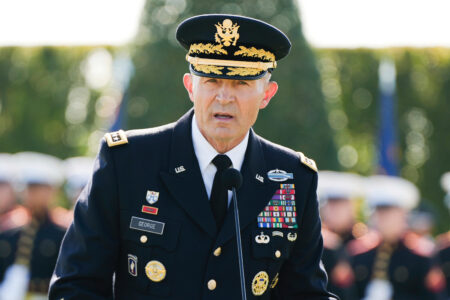
Hegseth asks the Army’s top uniformed officer to step down
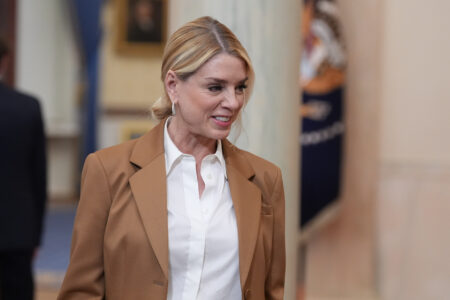
Trump says Pam Bondi, a loyalist who oversaw Justice Department upheaval, is out as attorney general