

Rainy weather increases chance of blackspot
Rose gardeners in the area are watching their prize-winning rosebushes slowly turn yellow and drop leaves, leaving behind a twisted mass of unattractive leggy stems.
If your rosebushes are little more than barren sticks, here is what you need to know about blackspot and how to control it:
The rainy weather has led to an increase in the blackspot fungus. Blackspot causes dark brown to blackspots to develop on the upper-leaf surface. The lesions are roughly circular and have distinctive irregular, feathery margins. The1/16- to1/2-inch diameter spots may be numerous enough to join one another. Affected foliage eventually turns yellow and drops. The bottom portion of the plant is affected first with the disease moving upward as the season progresses. Heavy infestations can seriously defoliate a plant.
The fungus can infect one-year-old canes as well. Infected canes develop raised, purplish-red spots or blotches, that eventually blacken and appear blistered. Though canes are rarely killed, lesions can act as overwintering sites for the fungus leading to more black spot next season.
Control should start with the selection of an appropriate planting site and the use of resistant cultivars, if possible. Choose a site with good air movement and plenty of sunlight. Sunlight is important not only in providing energy for the plant but also reduces the number of hours that leaf foliage remains wet from rain or dew. Good air movement is also important in reducing the hours of foliage wetness. Blackspot needs seven hours of continuous wetness for the disease to develop.
Resistance is not found in all rose groups. Susceptible groups include teas, hybrid teas, hybrid perpetuals and polyanthas. Those that show some resistance include Rugosa hybrids, moss roses and wichurianas. Resistant cultivars include David Thompson, Lucy Cromphorn, Bebe Lune, Sphinx, Coronado, Tiara, Ernest H. Morse, Carefree Beauty, Forty-niner, Simplicity and Grand Opera.
Use a fungicide to control the disease on susceptible varieties. Start at the first sign of disease and continue on a seven- to 14-day interval depending on the weather. Effective fungicides include copper fungicides, chlorothalonil (Daconil, Fertilome Broad Spectrum Fungicide, Ortho Garden Disease Control, Gordon’s Multipurpose Fungicide), myclobutanil (Immunox), neem oil, thiophanate methyl (Fertilome Halt) and triforine (Funginex, Orthonex).
Home and Garden
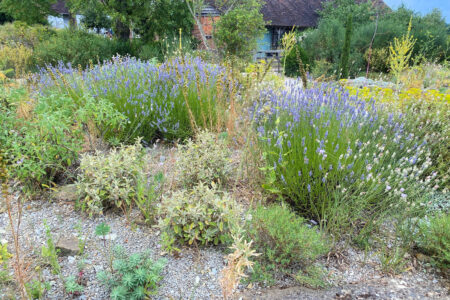
Gravel gardens can cut wildfire and heat risks
DIY projects can save money and build confidence
When something in the house stops working or needs to be replaced, the first impulse of many people is to call a ...

When looking to add pop to your home for the right price, look to molding

Keep these tips in mind when establishing a home renovation budget
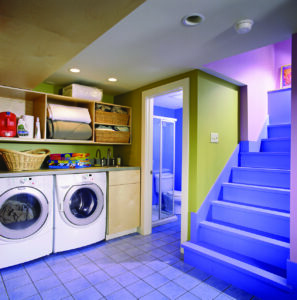
A few thoughtful additions can greatly improve efficiency in laundry rooms
You can use retirement savings for down payment on a house, but should you?
LOS ANGELES — Raiding retirement savings for a down payment on a home can be tempting, especially if you’ve ...