Native, pollinating plants popular for fall garden sprucing
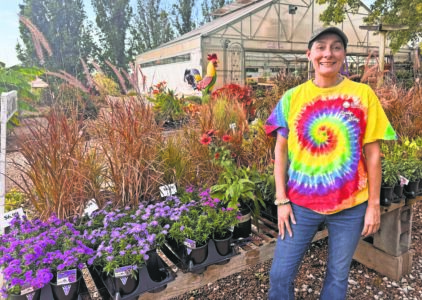
photo by: MICHAEL GLENN/Special to the Journal-World
Dana Hunter, owner of Clinton Parkway Nursery at 4900 Clinton Parkway, stands next to a red coneflower and beds of purple asters.
Native planting and reseeding are two of several options for Lawrence gardeners to enjoy the outdoors and spice-up their areas into the fall, with cooler temperatures on the way after a hot summer.
Dana Hunter, owner of Clinton Parkway Nursery, said that fall is a “second spring” for gardeners who want to stretch their time outside before colder temperatures begin.
“You’ll be able to plant a beautiful, kind of fall-themed, whether it’s cabbage, decorative cabbage or pansies,” Hunter said. “It’s also a great time to plant those coneflowers or fill in your garden with things like black-eyed susans or blanket flowers.”
Native and pollinator-friendly plants have been popular, Hunter said, as some varieties can be planted later in the year. While the nursery used to see customers order plants based on color, more customers are choosing local plants.
“I, myself, think that trend is amazing, and it’s certainly one of the things they look for on a landscaping call,” Hunter said. “I think everyone’s favorite native around here is the coneflower. [It’s] somewhat drought-tolerant, [and] the butterflies and bees love them. It’s great for the birds in the fall and winter.”
For the lawn, Landscape Designer Cory LeMay with Lawrence Landscape said September is the best time to seed and reseed.
“We’re about halfway through it,” LeMay said. “You can seed up until the middle of October and expect decent results. With the heat and weather and everything, fungus has been a big problem, so a lot of people need their yards overseeded.”
Gardeners don’t have to water as much in the fall, LeMay said, due to cooler temperatures and less stress on the plants. While annuals will die in cold weather, perennials tend to plant well into the fall.
“One thing people don’t understand is you used to see the banners ‘fall’s for planting,’ and especially in a college town, people think fall starts when school starts,” LeMay said. “Landscapers, we think of fall as being October, November, December. Those are the best times for planting trees [and] planting shrubs.”
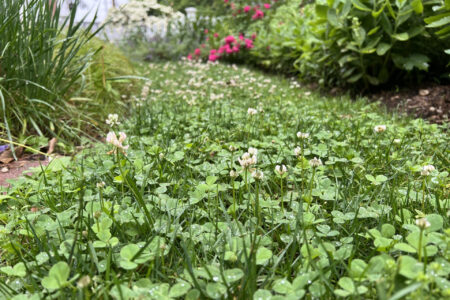
Weed control is another important part of fall gardening. Hunter said weeds can be taken care of in the fall when they seed, not when they sprout in the spring. She added that using weed-free herbicide can produce cleaner displays in the spring.
“It will actually help those not be allowed to drop their seed,” Hunter said. “Everyone thinks the weather’s warming up and the dandelions are coming out, but really it’s the fall when you should try and take care of dandelions and crabgrass.”
Anything planted this fall will need a gallon of water on it through the winter, Hunter said. Since snowfall has decreased in Lawrence in recent years, roots can more easily dry out and freeze in the cold weather. Adding water will help them
“Most people don’t think about it, but anything you planted this year will get a gallon of water on it in December, January and February,” Hunter said. “Those plants still need a little bit of water to get them through the wet spring. Time and time again people forget about it.”
For plants that may struggle through cold temperatures, fallen leaves can give roots insulation to survive through the winter. Hunter said gardeners can make a mulch from leaves on the ground by chopping them and placing them five to six inches thick around the plants.
“Lawrence has a lot of big trees,” Hunter said. “It will do a world of difference.”
Larger projects homeowners prefer around town include outdoor living spaces. LeMay said his company saw a significant increase in outdoor projects during and after the COVID-19 pandemic.
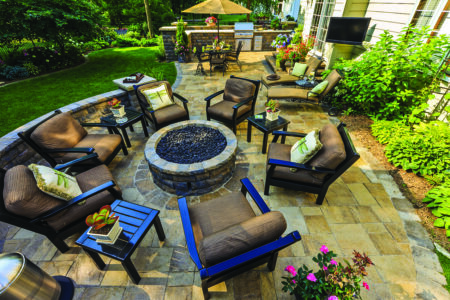
“People wanted to be able to stay at home and enjoy their spaces, so there was remodeling going on indoors, but we saw a big boost in outdoor living spaces,” LeMay said. “Firespaces became very popular.”
While firespaces remain popular, LeMay said projects often begin with looking at the home’s drainage and slope. If a customer wants a garden area in the front of the home, unbalanced draining can flood it or cause problems with the home’s foundation.
“That’s where the project really has to start,” LeMay said. “If we’re going to tear out all the shrubs, and they got downspouts that are dumping right at the foundation, now’s a good time to move that water from the foundation and strengthen the house from the slope. Usually, it’s pretty easy to correct. Downspouts are the number one source of water problems. If the grade’s not right, the water has nowhere to go but sit around the house there. ”
LeMay added that saturated water can cause settling, moisture and mold problems in a home, even if water is not visible in the basement, including cracks in a home’s sheet rock.
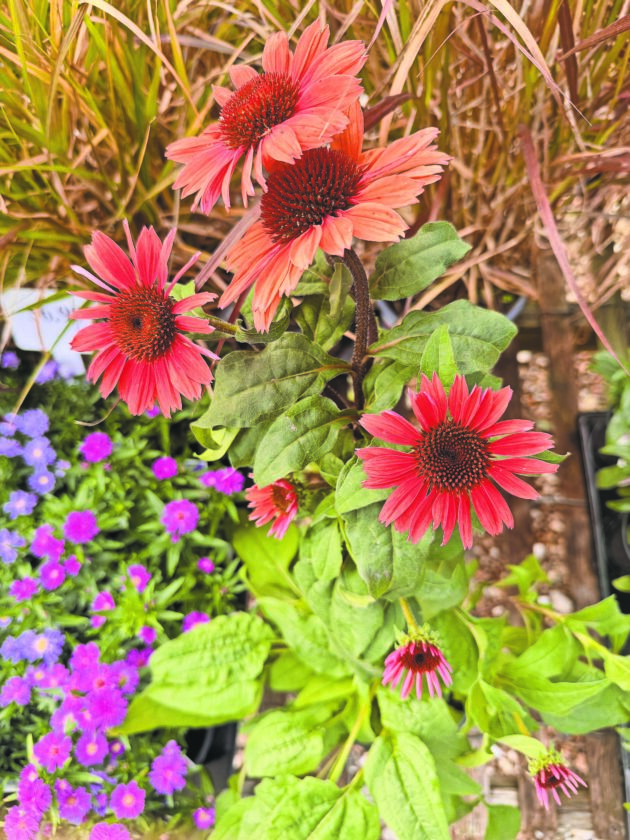
photo by: MICHAEL GLENN/Special to the Journal-World
Red coneflowers, native perennials, are one of the most popular plants gardeners in Lawrence put into their gardens, according to Owner Dana Hunter of Clinton Parkway Nursery.
Home and Garden
Native, pollinating plants popular for fall garden sprucing
Home and Garden: Tips to consider when creating an outdoor area for television watching
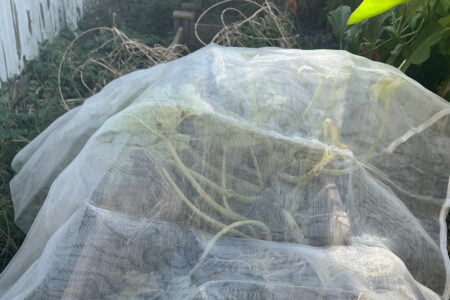
A simple row cover can save late-summer vegetables as frost threatens