

Locally Sourced: Growing roots for healthier eating
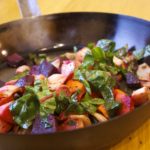
Roasted Root Vegetables
Having a 9-month-old baby at home causes me to constantly think about food choices.
So far this child will eat any fresh fruit or vegetable mashed with the backside of a fork and offered on a spoon. Sweet potatoes, avocado, peaches and beets, it all gets consumed with passionate anticipation.
This being my second child, I know all too well that his tendency to eat good food is no telling example of how he will eat in just a couple of years or even months. I worry that the temptations of our food system will eventually infiltrate our good parenting intentions.
The worry stems from the recently released State of Obesity report that found 31 percent of Kansans are obese and that we are the 13th most overweight state in the nation. Added to that, 45 states on the list stayed the same weight or got thinner. Kansas actually got bigger. For a parent, that’s concerning.
Considering the growing knowledge of how food affects health, why are we still struggling with our weight? At what point in life do we begin confusing nourishment and hunger and fall weak to poor food choices?
A theory I’ve come up with is that we’ve simply lost touch with what we actually “need” to eat because of the mess of choices our culture offers. This disconnect alters our ability to choose what our bodies crave and steers us toward decoy foods that have the flavor and texture we instinctively desire but lack the nutrient density and benefits of fresh, whole foods. These foods that used to be treats have now become meals.
One easy way to debunk this theory is to state that many of us simply don’t like the taste of healthy foods or haven’t had them prepared in a manner that is appealing. This is all too true and is a huge frustration as a chef always wanting to introduce people to honest, simple foods. I say keep trying.
Another rebuttal is that many think fresh food is not affordable. However, we often buy shampoos, sodas and energy supplements that add superfruits, antioxidants and omega-3s but rarely seek fresh foods containing them. We know it’s good for us but we ignore the translation from appetite to wallet when we fill the grocery cart.
As a child of the early ’80s I witnessed the consumer era when cereal shelves became the largest part of the supermarket, produce departments shrank and freezer aisles expanded. During that time farm-fresh eggs, real butter and honest cheese were the bad guys of the medical journals and thus we removed them from our grocery lists and replaced them with substitutes and low-fat imposters. We soon lost the interest in butchering whole meats, growing our own food and cooking at home.
More importantly, we forgot what the original version of our favorite flavors really tasted like. Eating meat with bones, vegetables with skin and bread with color fell out of dietary fashion and became doctor’s office discussions.
Despite growing up with 1980s choices, I left my taste for processed food with childhood. I had to redefine what eating for pleasure really meant and I learned to enjoy my favorite local foods as a primary diet.
Changing the way we think about food can create positive health outcomes and make a better path for the generations following us.
It’s time for Kansans to make better food choices. We all have the instinct to want delicious, healthy foods, but somewhere along the way, marketing influences, poor parenting and convenience got the best of our appetites and waistlines.
The freedom to eat what we want is a liberating feeling when good health is the end result. Sometimes this means discovering that your inner-most desired craving is a crispy, fresh vegetable. If a 9-month-old baby craves healthy, shouldn’t we?
Find a way to make good food your daily addiction and teach kids to do the same. We already know they want it.
A fall staple at home and at the restaurant, root vegetables are about the least-expensive tasty nutrition there is. This dish is hearty and bold and is equally satisfying hot or out of the fridge. All of these vegetables can be found locally in the fall.
Roasted Root Vegetables
Serves 6 to 8
Ingredients
8 ounces carrots or sweet potatoes
8 ounces turnips
8 ounces beets
1 medium onion
4 ounces radishes, halved
1 teaspoon sea salt
Cracked pepper to taste
1/4 cup olive oil
1 bunch Lacinato kale, stemmed and cut coarse
Directions
Cut all vegetables oblique, or any random triangular shape. This cut will create varying textures and help ensure equal cooking.
Mix all seasonings, oil and vegetables except kale in a large mixing bowl, then spread on a sheet pan or casserole. Roots can touch but should not be crowded in the pan.
Roast at 375 F for 12 minutes, stir, 8 more minutes, stir, then 5 minutes. Check for desired tenderness. Add kale after removing from oven, stir and serve!
— Rick Martin is executive chef and owner of Limestone Pizza. He is a contract trainer for Lawrence Public Schools Food Service and the Kansas Department of Education Child Nutrition and Wellness, as well as a consulting chef for Just Food Kansas. He has been preparing food for the Lawrence community for over 20 years.