

Anxiety, price fuel national gold rush
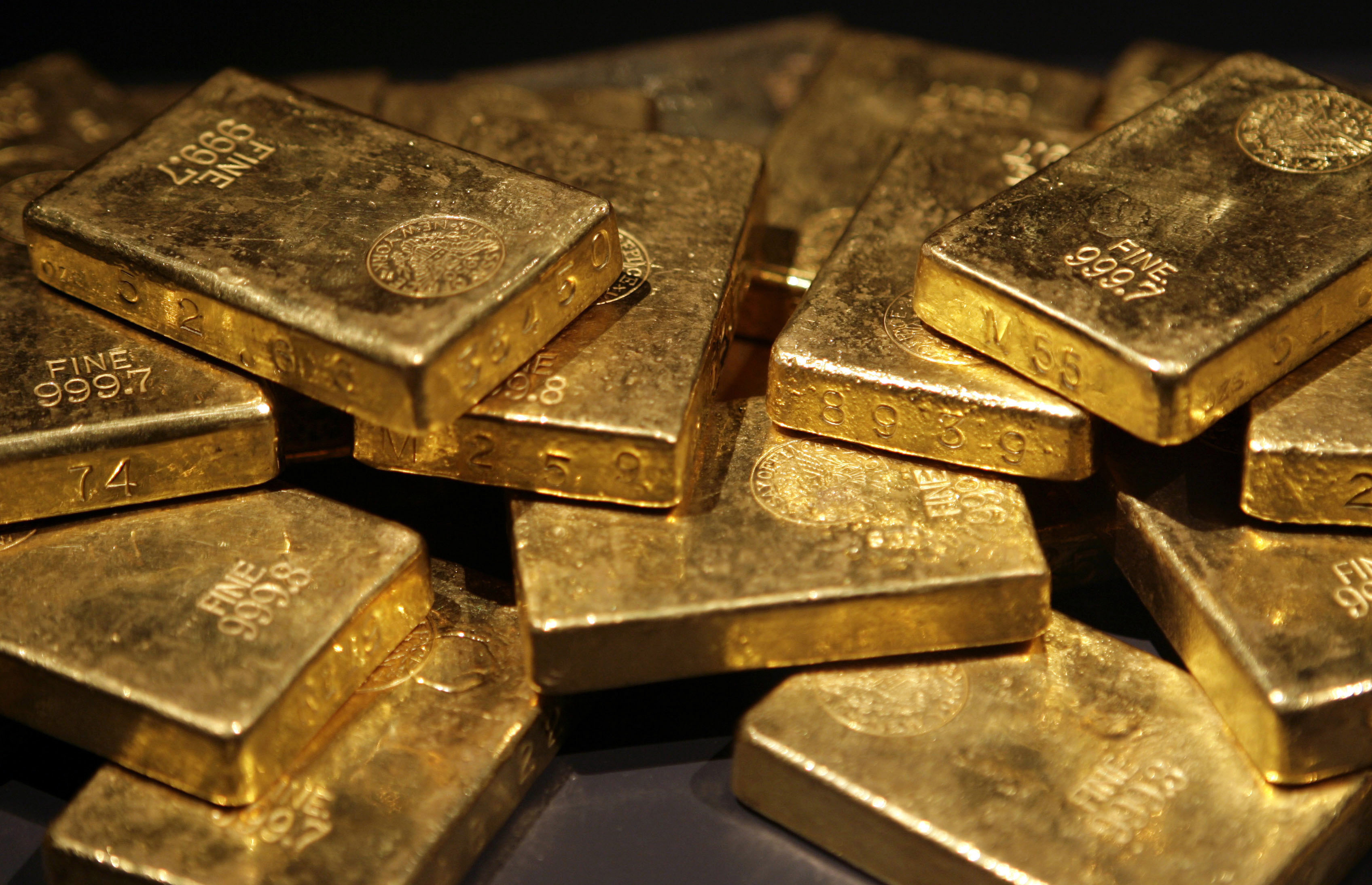
Gold bars
New York ? Customers who step into the offices of Heritage West Financial in San Diego have always favored gold as an investment on paper, a place to park their money. But in the past few years, Ralph Weston began to notice a change in his clients’ orders.
They wanted to take the 33-ounce blocks home with them.
“I don’t know what they do with it,” said Weston, a market analyst. “Do they use it as a doorstop or what?”
The price of gold keeps going up, setting records week after week. On Thursday it touched yet another new high, trading at $1,296.30 an ounce. Just two years ago, it was trading at about $900.
Low interest rates, a falling dollar and anxiety over holding government debt have prompted investors and central banks alike to buy the metal — something tangible instead of a promise.
To Weston, the gold rush reflects his clients’ diminishing trust in Wall Street and the federal government. Gold has fans in the tea party movement and among viewers of conservative cable-talk host Glenn Beck, who touts it on his show.
In financial circles, analysts credit the rising price of gold to an unlikely duo: investors seeking shelter and central bankers from India, Bangladesh and other developing countries. Both are wary of a falling dollar.
It starts with low interest rates. Central banks usually hold currencies from the world’s largest economies — dollars, pounds and yen — and then invest them in short-term bonds.
At the moment, interest rates in the United States and other developed countries are near record lows. Currencies tend to follow the path of interest rates, so not only do central banks get little return from buying dollars, but they face the prospect of the dollar falling even further. What’s the alternative?
“Historically, gold has been the last thing you sell,” said Francisco Blanch, commodity strategist at Bank of America. And in times of crisis, it tends to rise.
The Federal Reserve played a role in gold’s recent surge when its interest-rate committee hinted at further efforts to lower borrowing rates, said Suki Cooper, a commodity analyst at Barclays in London.
Other notable business news:
• Debt, changing media habits topple Blockbuster. Blockbuster Inc., once the dominant movie rental company in the U.S., filed for Chapter 11 bankruptcy protection on Thursday, reeling from mounting losses, rising debt and competitors that have better catered to Americans’ changed media habits. For now, Blockbuster will continue to operate its 3,300 U.S. stores, although analysts expect hundreds of them to close under new owners led by billionaire investor Carl Icahn. The Dallas-based company has about 25,500 employees, including 7,500 full-time workers.