

Fighting poison ivy involves quick action
It looks beautiful in the morning light, but one touch will leave you scratching like crazy. Poison ivy is thriving this time of the year, just in case you didn’t know.
For anyone worried about first aid for poison ivy, check out the U.S. Food and Drug Administration’s Web site: www.fda.gov/fdac/features/796–ivy.html.
It has a lot of information, but the section on taking quick action if you get into poison ivy caught my attention. It deals with the use of rubbing alcohol instead of the commercial anti-poison ivy products available.
I haven’t tried this, so you’re on your own:
l Urushiol — the chemical in the sap of the plants that causes a rash, blisters and the itch — can penetrate the skin within minutes, so there’s no time to waste if you know you’ve been exposed. The earlier you clean the skin, the better the chance that you can remove the urushiol before it gets attached to the skin.
l Cleaning may not stop the initial outbreak of the rash if more than 10 minutes has elapsed, but it can help prevent further spread.
l If you’ve been exposed to poison ivy, poison oak or sumac, stay outdoors, if possible, until you complete the first two steps.
l Clean exposed skin with generous amounts of isopropyl (rubbing) alcohol. Don’t return to the area where you encountered poison ivy because alcohol removes your skin’s protection along with the urushiol, and any new contact will cause the urushiol to penetrate twice as fast.
l Wash the skin with water. Water temperature does not matter. If you’re outside, it’s likely that only cold water will be available.
l Take a shower with soap and warm water. Do not use soap before this point because soap will tend to pick up some of the urushiol from the surface of the skin and move it around.
l Clothes, shoes, tools and anything else that may have been in contact with the urushiol should be wiped off with alcohol and water. Be sure to wear gloves or otherwise cover your hands while doing this and then discard the hand covering.
Health
Program that helped people with disabilities scrapped again
Margaret Tomlinson has been recovering from a traumatic brain injury for three years. Nearly a year ago, she moved ...

Excitement builds as LMH Health draws closer to completing Therapy Services renovations
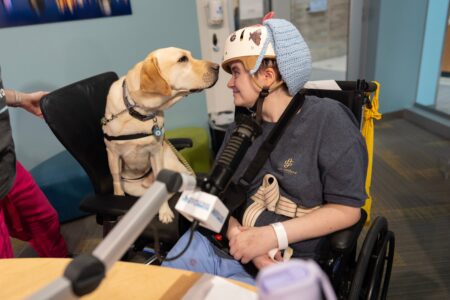
More children’s hospitals turn to furry caregivers to help kids heal
Sometimes ‘baby blues’ is actually something darker
Moments after Jenna Carberg gave birth to her daughter, doctors put the baby on her chest. “I felt a disconnect ...
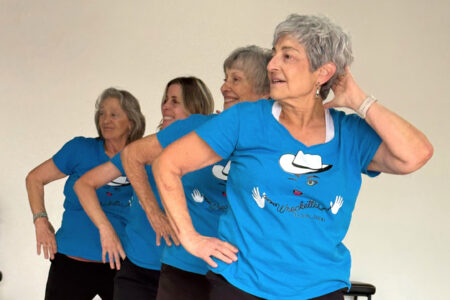
Moving to music offers all kinds of benefits as you age
Conflicting mamogram advice leads to confusion
WASHINGTON — Deciding when to get routine mammograms is confusing. Some health groups recommend women begin at ...