

Leftovers can be unsafe if precautions not heeded
Dallas ? Eating leftovers has become a badge of honor in these tough economic times.
Unfortunately, warmed-up food can make you sick if you don’t follow basic safety precautions to eliminate bacteria, such as salmonella.
That leftover steak that’s been sitting in the refrigerator for six days?
It probably should go in the garbage, not your lunch bag, because food isn’t considered safe to eat after three or four days in the fridge, food experts say.
That partially heated pasta from last night that you’re shoveling into your mouth?
It should go back into the microwave until it’s good and hot with no cold spots to surprise you. Heat is how you eliminate the likelihood of bacteria reaching your mouth.
“Proper temperature is the key,” said Dr. Wendy Chung, Dallas County’s chief epidemiologist, who sees a lot of illnesses related to poor food handling.
In fact, there’s plenty of room for education when it comes to something as simple as eating leftovers, she said.
Experts caution that leftover food needs to be reheated to an internal temperature of at least 165 degrees, which makes it safe to eat. The best way to know the temperature is by using a thermometer. Stir reheated food well enough to eliminate the cold spots.
People who take frozen meals to work should follow the directions closely for heating it. It’s also good to know whether these foods were cooked before they were packaged.
“There was an outbreak of illnesses related to potpies in which the directions were not followed,” Chung recalled.
That 2007 salmonella outbreak was traced to frozen potpies that had an uncooked crust. Salmonella got into the pies, but it might have been eliminated had the product been cooked according to instructions on the package.
The Food and Drug Administration concluded later that the microwave instructions for the potpies were confusing, and the agency ordered the manufacturer to rewrite them.
That episode also underlined the importance of letting a product stand for the required time after it’s been cooked, which allows the heat to distribute more evenly.
The Partnership for Food Safety Education, a group of food industry representatives and food science professionals, is offering a list of food safety tips called Limits to Leftovers on its Web site, fightbac.org.
“As many consumers make their dollar go further by preparing more meals at home and saving leftovers, it is essential they follow safe food handling practices,” the group warns.
Health
Program that helped people with disabilities scrapped again
Margaret Tomlinson has been recovering from a traumatic brain injury for three years. Nearly a year ago, she moved ...

Excitement builds as LMH Health draws closer to completing Therapy Services renovations
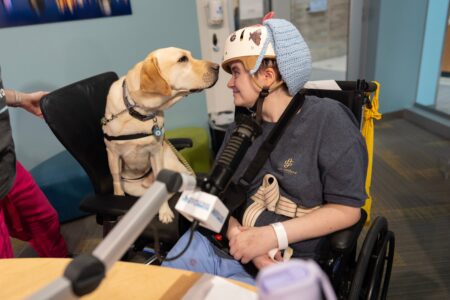
More children’s hospitals turn to furry caregivers to help kids heal
Sometimes ‘baby blues’ is actually something darker
Moments after Jenna Carberg gave birth to her daughter, doctors put the baby on her chest. “I felt a disconnect ...
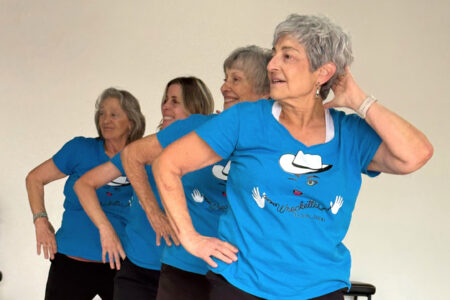
Moving to music offers all kinds of benefits as you age
Conflicting mamogram advice leads to confusion
WASHINGTON — Deciding when to get routine mammograms is confusing. Some health groups recommend women begin at ...