Lightning strike survivor contemplates luck

Traci Pillard holds the pair of jeans she was wearing when she was struck by lighting seven years ago at this spot.
Tips for avoiding lightning
If you can hear thunder, then you are within striking distance of lightning. Look for a fully enclosed building or a hard-topped vehicle immediately. Wait 30 minutes after the last rumble of thunder before leaving the secure location.
• If you are outside and cannot get to shelter, do not stand near high isolated objects or partially enclosed shelters. Stay away from metal objects. Stand at least 15 feet away from other members of your group.
• If unable to reach an enclosed building, look for an overpass or bridge. If you are out in the open, look for a wooded area, low spot or ditch.
• If you are inside during a thunderstorm, stay away from water and electric appliances.
It’s unclear whether Traci Pillard is unlucky or lucky.
Unlucky because on Aug. 22, 2002 — a misty morning when Pillard had just finished her first class of the semester at Kansas University and was on her way to mail a package — she was struck by lightning.
Or lucky, because she survived.
Seven years later — with a few light scars and a bag of shredded clothes to show for it — the question remains unanswered.
“I don’t in any way feel lucky for being struck by lightning,” she said. “But I do feel lucky for having survived.”
The chances of getting struck by lightning are at about 1 in 6,250 in an 80-year life span. Each year, there’s a 750,000 chance of being struck by lightning.
In 2008, 60 people died and 340 people were reported injured from lightning strikes in the United States, according to the National Weather Service.
Lightning is a deadlier force of nature than tornadoes and hurricanes.
“Because we do see it so often, we don’t necessarily recognize it as being as deadly as it is,” said Kansas Emergency Management spokeswoman Sharon Watson.
A force of nature
By virtue of its ability to produce thunderstorms, Kansas has more lightning strikes than many other states. According to the National Weather Service, the state ranks 18th for number of cloud to ground lightning strikes. It has 10.4 flashes per square mile.
The greatest risk for lightning comes during the spring and summer, which mixes a higher rate of thunderstorms with more people being outdoors, said Jennifer Stark, a warning coordination meteorologist for the NWS in Topeka.
But lightning can strike year-round and anytime thunderstorms abound.
Kansas ranks fairly low (29th) in lightning fatalities, according to the NWS. In 2008, one person died while camping near Pomona Lake. And, a 15-year-old Topeka girl was injured when she was struck by lightning while showering.
Getting struck by lightning can have a variety of consequences. The electric charge that flows through the body can stop the heart and leave burns.
“We don’t know exactly what allows someone to survive and others to be killed,” Stark said.
For those who survive the strike, there can be lingering health problems mainly related to the nervous system. Aftereffects include hearing loss, headaches, sleep disorders, tingling and numbness, short-term memory loss and even personality changes.
Moving past the strike
Pillard was on KU’s campus walking near Potter Lake when there was a loud crack of thunder. The next thing she remembers is lying on the ground, unable to move and unsure of what had happened.
The lightning had struck with such force that its path ripped her clothes apart and knocked the shoes and socks off her feet. Wherever metal touched skin, it left a burn mark.
Pillard was flown to KU Hospital where she stayed for about a week and was treated for burns.
The event didn’t stop Pillard from returning to class that semester and finishing her senior year.
Today, the 27-year-old legal assistant who still lives in Lawrence no longer carries an umbrella, which she was holding at the time of the strike. And, unless she has to be, she won’t go outside in thunderstorms.
Pillard wonders if several health issues — a frequent tingling feeling, similar to a foot or hand falling asleep — could be linked to the lightning strike.
“For the most part,” she said, “I don’t think about it any more on a daily basis.”
City Government
Opinion: Environmentally conscious Lawrence is not focused on the biggest problem with electric vehicles

Locust Street apartments, Holcom housing development among this year’s applicants for $700K in Affordable Housing Trust Fund money

Business owners hurting from Wakarusa Drive closure say they’re getting no answers, no signs, no accountability
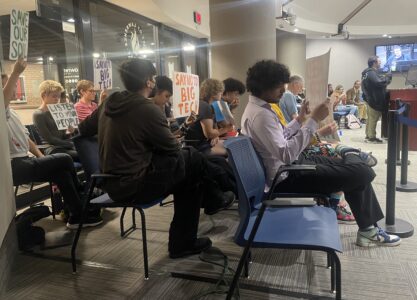
Planning Commission recommends adding more layers to approval process for data centers in Lawrence
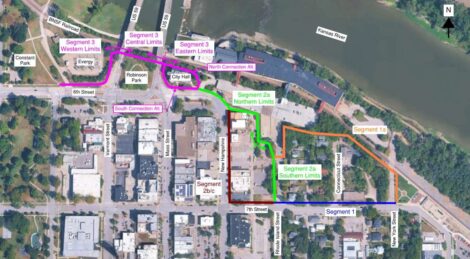
Lawrence Loop trail may go along busy downtown street; city wants to steer clear of Riverfront for development reasons