

Experiment seeks to head off Type 1 diabetes
Pittsburgh ? The doctor had barely pulled away the needle when a blister appeared on Tracey Berg-Fulton’s abdomen: An experimental shot was revving up the 24-year-old’s immune system — part of a bold quest to create a vaccine-like therapy for diabetes.
“If we’re right, that is what’s going to stop Type 1 diabetes,” said Dr. David Finegold as he watched the blisters appear — one to match each of four shots — with intense satisfaction.
It’s a big “if.” The research is in its infancy, a first-step experiment to be sure the vaccine approach is safe before researchers at Children’s Hospital of Pittsburgh test their real target — kids newly diagnosed with this deadliest form of diabetes.
It’s also part of a big shift: Scientists increasingly hope to control Type 1 diabetes by curbing the rogue immune cells that cause it, before patients become completely dependent on daily insulin injections to survive.
“Treating at onset in children is the best chance we have,” said Pittsburgh immunologist Dr. Massimo Trucco, whose novel vaccine — made from patients’ own blood — is among a handful of possible immune therapies being tested around the country.
About 3 million Americans have Type 1 diabetes, where the body mistakenly attacks and destroys cells in the pancreas that produce insulin, the hormone crucial to converting blood sugar to energy. It’s different than the far more common Type 2 diabetes that is usually linked to obesity, where the body produces insulin but gradually loses the ability to use it properly. Type 2 patients have more treatment options, including diet and exercise.
To stay alive, Type 1 patients must rigorously inject insulin, or wear a pump that infuses it.
Hence the new push for immune therapy. Preserve enough precious insulin-producing cells before irreversible damage is done and maybe patients would need far less insulin, perhaps only occasional injections like when they splurge on ice cream.
But how? A “therapeutic vaccine” must shut down T cells that are the immune system’s attack dogs, racing out to tackle infections or other invaders — but only the faulty ones that erroneously attack a Type 1 diabetic’s own pancreas. Body-wide immune suppression would leave patients vulnerable to other illnesses.
Health
Program that helped people with disabilities scrapped again
Margaret Tomlinson has been recovering from a traumatic brain injury for three years. Nearly a year ago, she moved ...

Excitement builds as LMH Health draws closer to completing Therapy Services renovations
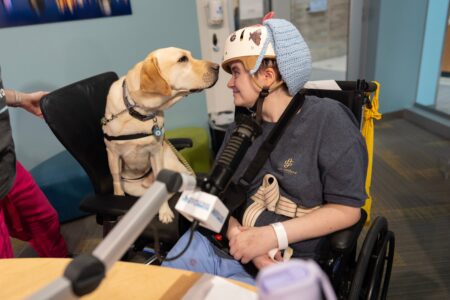
More children’s hospitals turn to furry caregivers to help kids heal
Sometimes ‘baby blues’ is actually something darker
Moments after Jenna Carberg gave birth to her daughter, doctors put the baby on her chest. “I felt a disconnect ...

Moving to music offers all kinds of benefits as you age
Conflicting mamogram advice leads to confusion
WASHINGTON — Deciding when to get routine mammograms is confusing. Some health groups recommend women begin at ...