Baby dues: Post-pregnancy weight loss daunting but doable
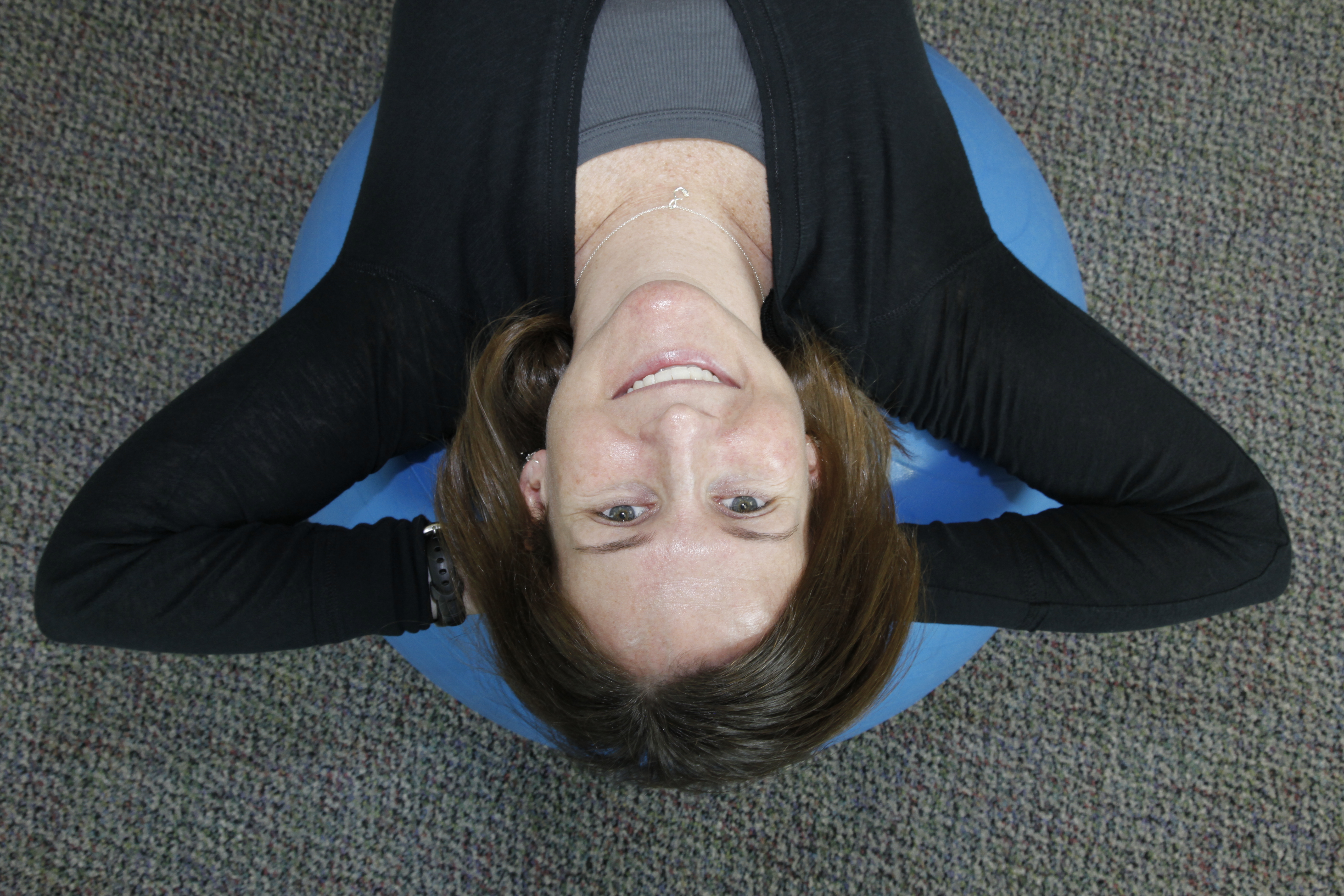
Sara Johnston is a perinatal fitness instructor who teaches courses in prenatal and postnatal fitness with Kreider Rehabilitation Services at LMH South, 3510 Clinton Parkway.
Fit for You
For more information about the Fit for You class, call Kreider Rehabilitation Services at 505-3780 or go to www.lmh.org. A new session begins Aug. 24.
Bringing a child home from the hospital can be a heavy experience as joy, exhaustion and change seem to be wrapped up in one adorable, sleepy-eyed bundle.
Unfortunately for many new moms, the tremendous excitement of welcoming a new baby may bring about another weighty collision of feelings: despair, fear and dread of the scale.
Current recommendations advise most pregnant women to gain between 25 and 35 pounds — but after the miracle of birth, most women come home wearing their stretchy maternity pants and several extra pounds. The reality of an extra 30 or so pounds plus the duties of motherhood are, in a word, daunting, says Jeannine Goetz.
“While there is really no technical difference between losing excess weight that has been put on as a result of having a baby or simple weight gain, this transition period in a mother’s life may present many challenges that make the process seem more difficult,” says Goetz, assistant professor and assistant director of weight control research projects at Kansas University Energy Balance Laboratory. “Hormonal changes, lack of sleep and opportunities for grazing on food all day are only some of the challenges new mothers may face.”
Sara Johnston sees women all the time who are facing the challenges of balancing motherhood with weight loss. A physical therapist, she teaches a class called Fit for You through Lawrence Memorial Hospital. The class is a six-week program devoted to helping mothers bring fitness back into their lives post-baby.
“It took you 10 months to get this way, it’s going to take … awhile to get back,” Johnston says.
So what’s the best way to get one’s pre-baby body back? First things first, says Goetz: Nutrition, nutrition, nutrition.
“Focus on fruits, vegetables, whole grains, avoiding temptation, consuming smaller portions and eating when you are hungry,” Goetz says.
It’s important to note that nursing women should not reduce caloric intake too drastically, says Goetz. Not eating enough can impact the quantity and quality of milk produced. She suggests nursing mothers eat between 1,800 and 2,000 calories a day.
As for exercise, Johnston recommends women, once they have been cleared by their doctors, start slow since postpartum women can be especially susceptible to injury.
She suggests taking a walk with the baby or a friend, though. As a mother of two with a third on the way, she understands that mothers may feel guilty taking “me” time. She says it may be difficult at first but that it’s important to take time for yourself and for exercise.
Of course, the best way to make post-baby weight loss easy is by trying to avoid excessive weight gain to begin with during pregnancy. Goetz says that studies show that 38 percent of women exceed the 25 to 35 pounds of recommended weight gain.
Both she and Johnston stress pregnant women should not be thinking of it as eating for two. Johnston notes that pregnant women only need about 300 more calories per day than nonpregnant women.
But for those who have already gained excessive pregnancy pounds, there is hope. Goetz says that during the postpartum period, only 14 to 20 percent of women retain excessive weight gain. A structured plan may help in blasting pounds that are still there after the baby’s first birthday, she says.
“For those mothers who are unable to lose the excess weight within the first year following pregnancy, this does not mean that they will never be successful,” Goetz says.
Health

ER visits for tick bites on the rise throughout the Midwest
FDA OKs first new sunscreen ingredient in over 25 years
WASHINGTON — Federal health regulators last week signed off on the first new sunscreen ingredient for the U.S. ...
OB-GYN group makes its 1st vaccine recommendations
A prominent OB-GYN group announced vaccine recommendations on Wednesday that differ from what the U.S. ...

How to talk to kids about vaping as fruity flavors make a comeback
Program that helped people with disabilities scrapped again
Margaret Tomlinson has been recovering from a traumatic brain injury for three years. Nearly a year ago, she moved ...