Business going dry for dairy farmers

The day begins at 4:30 a.m. on Eugene George’s dairy farm. George feeds and milks his cattle as the sun rises. Dairy farmers have been struggling to make ends meet because they are getting lower prices for milk.

Eugene George says times are worse now for dairy farmers than at any time during his 24-year farming career.

Eugene George feeds his dairy cows on a recent morning.
Things are not going well this year for dairy farmers.
The price farmers are paid for their product is so low many of them are lucky to break even.
“We have a lot of dairy farmers who are really suffering right now, and the current economy is complicating it even more,” said Mike Bodenhausen, Kansas Dairy Association executive director.
“I’ve been milking cows for 24 years, and this is the worst I’ve seen it,” said Eugene George, of rural Baldwin City.
Losses in the industry are piling up.
“Every day we go out there to milk cows, we’re losing money,” said Randall Flory, a rural Lawrence dairy farmer for 36 years.
Dairy farmers nationwide have been hit by the downturn in the industry. A pricing formula used to pay dairy farmers has those in Kansas receiving about a dollar for each gallon of milk they produce, give or take a few cents. Just last summer prices were higher and times were better. The highest prices were about $1.80 per gallon, Bodenhausen said. Even the best prices then resulted in only 10 percent to 15 percent profit margins, he said.
Last fall, prices started falling. Fall normally is a time when dairy farmers get less for their product. That’s because schools are in session and they have already placed their milk orders. More milk then is used to make cheese, and making cheese is a more expensive process for manufacturers.
“It’s kind of a seasonal deal, but the economy went downhill at this same time last year,” Bodenhausen said.
Moreover, the nation’s exports of dairy products dropped as the world economy also went into a slump. Families may still need to buy milk, but cheese is a product many of them can do without, farmers said.
“People cutting back at the grocery store and reduction of exports, that’s what’s probably hurt us the most,” George said.
George has a herd of 300 cows, and he milks about 120 of them. He’s taken steps to cut his operating costs. He switched to a cheaper teat dip and is using cheaper ingredients in feed for the herd’s heifers.
Flory milks 175 cows and he said he, too, made changes to cut feeding costs.
“What we’re doing is hanging on for dear life and hoping this doesn’t last too long and that prices go back up,” Flory said. “It’s pretty bleak out there.”
It’s unclear how long the dairy industry will stay in a slump, but Bodenhausen doesn’t see it improving until at least next winter. Much of what happens depends on what the national economy does. That could mean some farmers will have to get loans to keep going.
“It takes a lot of money to run a dairy,” Flory said. “You got to stay in touch with your banker and have a good banker, that’s all I can say.”
There is a program through dairy farming cooperatives that periodically culls dairy cattle in an attempt to reduce overproduction. It’s called Cooperatives Working Together, or CWT. It’s a voluntary, producer-funded national program developed by the National Milk Producers Federation. Dairy farmers who are members of a cooperatives invest 10 cents per hundred pounds of milk into a a voluntary herd buyout program. Farmers are paid to slaughter their cattle.
The last culling was in the fall when 51,000 cows nationwide went to slaughter, according to the federation’s Web site. That took 976 million pounds of milk off the market.
There are about 400 dairy farmers in Kansas, Bodenhausen said. He thinks up to 5 percent of them may get out of the business this year. Neither George nor Flory are ready to take that step, but the thought has crossed their minds.
“If there are other opportunities that arise, I’d consider it,” George said. “If prices stay this low all year, then probably a bunch of people won’t have much choice.”
Flory, 54, is thinking about retirement possibilities, but his dairy is a family operation with brother Scott Flory and his family. His enthusiasm for dairy farming has diminished, however, he said.
“We’ll probably hang on until things get better,” Flory said. “I’d like to think we’re going to quit milking on our own terms when we’re ready and not when someone tells us we’re ready.”
City Government
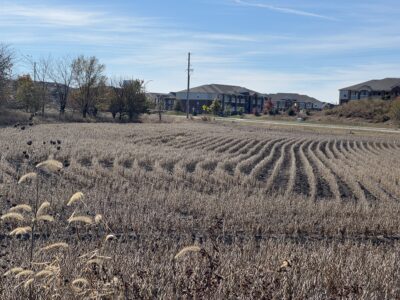
Developer seeks incentive from City of Lawrence to build 131 units of housing near Wakarusa and Queens

Lawrence city leaders will consider whether to keep Community Building open, make 2 other rec centers free to access
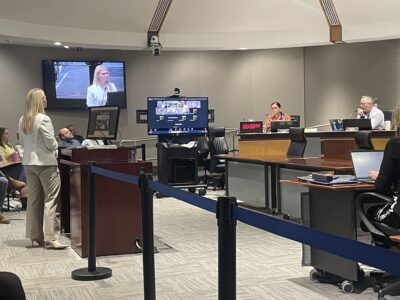
A STAR Bond application raises questions for city leaders about Costco and housing west of the SLT

Soccer gear honoring Lawrence history’s all-star team is now on sale as part of city’s public art exhibition
To honor public servants, Lawrence’s July 4 celebration will have a whole gallery of their photos on display; submissions open now