

Betancourt seeks to heal Colombia
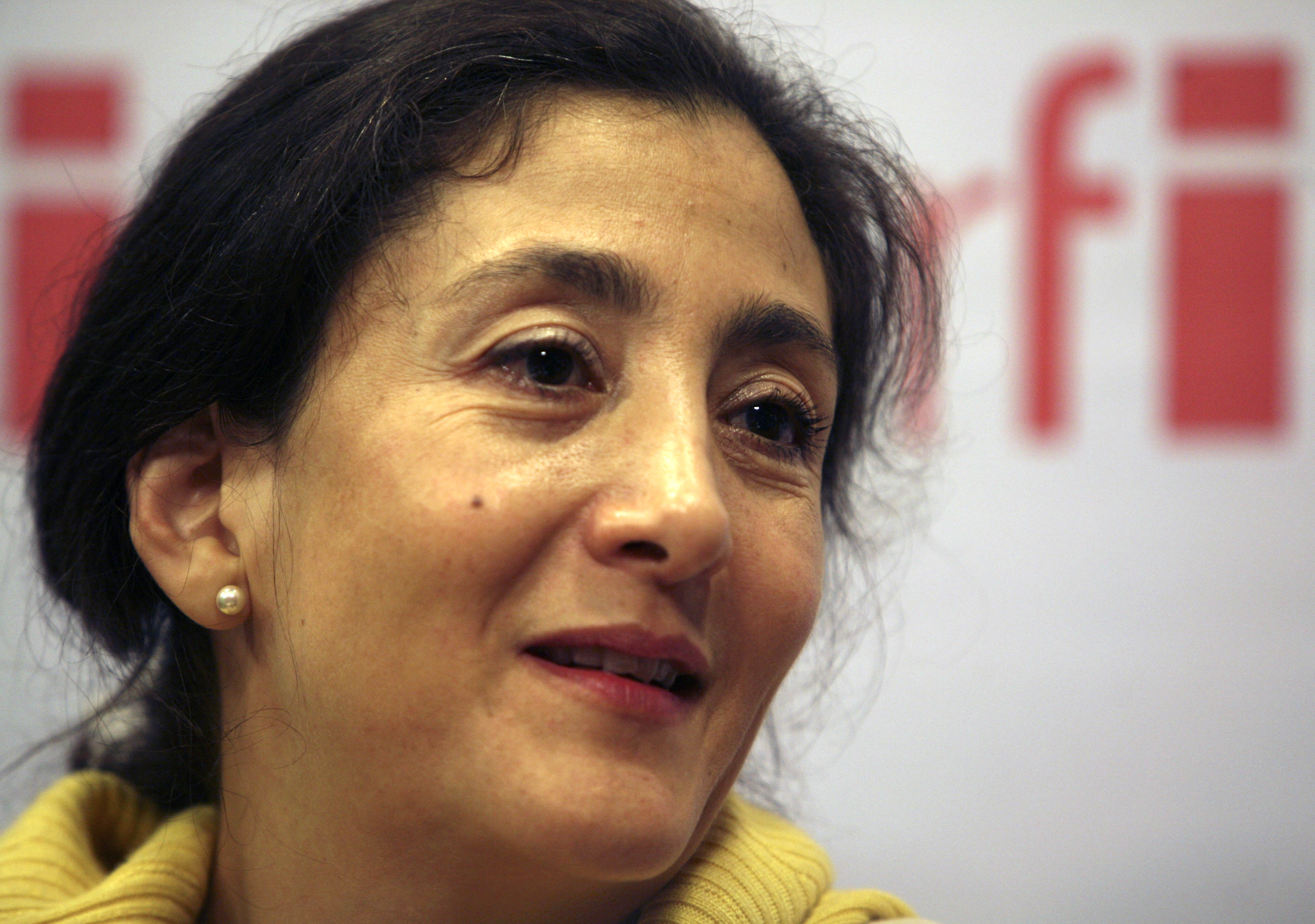
Ingrid Betancourt is seen before her radio address to hostages in Spanish on RFI (Radio France International) Monday in Paris.
Bogota, Colombia ? Ingrid Betancourt, the famed hostage of Colombia’s largest guerrilla group, lived the last six years chained to trees in the jungle. She nearly died from tropical diseases that left her despondent and emaciated.
Yet since her spectacular release last Wednesday, Betancourt has emerged preaching not hate and bitterness, but peace and national reconciliation for this war-weary nation.
“The first thing we have to do is change hearts,” Betancourt told McClatchy Newspapers in an exclusive interview. “We have to change the vocabulary of hate. When I dreamed of being free, I told myself that I could not engage in hate or rancor.”
Her selfless commentary has helped catapult her into the front-runner position to be Colombia’s next president. The election will be in 2010.
Betancourt, however, wasn’t interested in discussing politics or her ambitions during a 10-minute telephone conversation late Sunday night while she was in Paris.
Weary but speaking with a strong voice, she marveled briefly at the faster pace of life now, and its problems.
“It’s a neurotic world, and there are lots of conflicts,” she said. “There’s a food crisis and an energy crisis. People are very anxious about this. We need to reflect on how we behave.”
But mostly she wanted to discuss the next step for Colombia, a country that for 60 years has suffered from an untold number of murders and kidnappings – mostly from struggles over power and the country’s cocaine business – which have made it the most violent nation in the Western Hemisphere.
Betancourt said she supported President Alvaro Uribe’s efforts to keep constant military pressure on the guerrillas, known as the Revolutionary Armed Forces of Colombia, or FARC in its Spanish initials.
But with the FARC decimated and on its heels – especially after the guerrillas lost 15 hostages in last week’s rescue, including prized captives Betancourt and three American military contractors – Betancourt said that Uribe should redouble efforts to seek a peaceful conclusion to what has been a 44-year war with the group.
“The guerrillas are our enemy,” Betancourt said in the interview. “But we shouldn’t insult them. We should show them how to seek a dignified exit through peaceful negotiations. If we don’t defeat them correctly, we will sow the seeds of hate for the future.”
Betancourt, who is gaunt but seemingly healthy, has gone through a dizzying array of events in the past week.
Last Tuesday night, she spent yet another evening manacled to a tree in the jungle.
On Wednesday afternoon, she and the other kidnap victims boarded a white helicopter that supposedly was transferring them to another FARC captor as a humanitarian mission. Instead, government commandos dressed as international aid workers overpowered their two FARC guards. Suddenly, they were free.
A throng of reporters met Betancourt three hours later at a military airport in Bogota. The scene was televised live throughout Latin America.
On Thursday, Betancourt was reunited with her son and daughter. The French government flew them to Bogota from France, where they live.
On Friday, she returned with them to France, where President Nicolas Sarkozy greeted her as a national heroine. The 46-year-old daughter of a beauty queen and a former Colombian ambassador to France has dual French-Colombian citizenship.
“I am anxious to re-establish ties with my family,” Betancourt said in the interview.
That may not include her second husband, however. He stayed behind in Bogota, apparently at her wishes.
Betancourt seems eager to re-enter politics, but not immediately.
Friends have advised her to rest, catch up with her family and hold off on worrying about her political future.