Rocket hits near U.N. chief during news conference
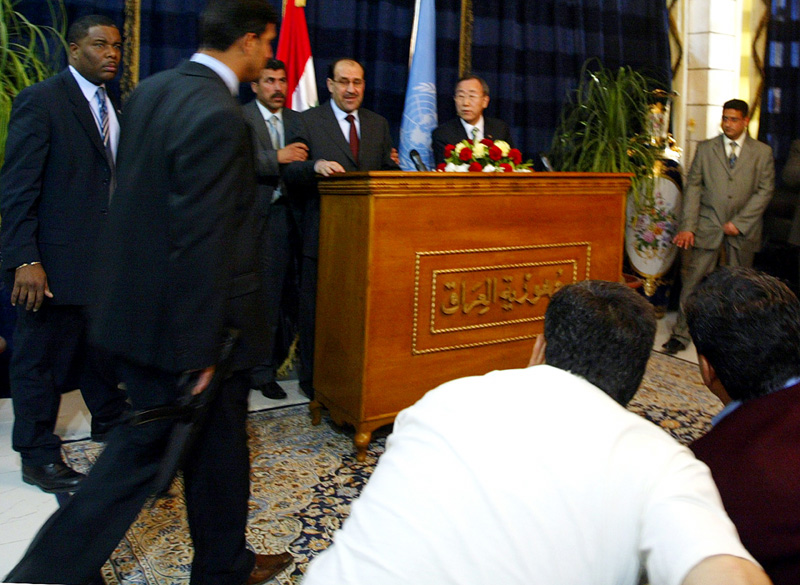
Journalists duck as bodyguards rush to protect Iraqi Prime Minister Nouri al-Maliki, center left, and U.N. Secretary-General Ban Ki-moon, center right, after a rocket explodes 50 yards from their news conference Thursday in Baghdad.
Baghdad, Iraq ? A rocket exploded 50 yards from the U.N. secretary-general during a news conference Thursday in Baghdad’s Green Zone, causing him to cringe and duck just minutes after Iraq’s prime minister said the visit showed the city was “on the road to stability.”
The U.S. military, meanwhile, reported a major breakthrough in the campaign against rogue Shiite militants, saying it captured two brothers responsible for a sophisticated sneak attack that killed five American soldiers in January.
The Katyusha rocket that hit near Secretary-General Ban Ki-moon was fired from a mainly Shiite area on the east bank of the Tigris River, not far from The Associated Press office. The heavily guarded Green Zone on the opposite bank is home to the U.S. Embassy, Iraq’s government and the parliament.
Ban’s unannounced stop in the Iraqi capital was the first visit by a U.N. secretary-general since Kofi Annan, his predecessor, came to Baghdad in November 2005. The U.N. Security Council issued a statement strongly condemning the rocket firing as an “abhorrent terrorist attack.”
U.N. staff slowly returning
The U.N. presence in Iraq has been much smaller than planned since militants bombed the organization’s Baghdad headquarters on Aug. 19, 2003, and killed 22 people, including the top U.N. envoy, Sergio Vieira de Mello.
That was one of the first major attacks as Sunni Arab insurgents began rallying against American forces and other foreign troops after the U.S.-led invasion. Foreign U.N. staff withdrew from Iraq in October 2003 after a second assault on its offices and other attacks on humanitarian workers. A small staff has gradually been allowed to return since August 2004.
Iraq’s Shiite-dominated government has been quietly pushing for a greater U.N. role and was banking on decreased violence in the capital to show that it was returning to normal six weeks into a joint security crackdown with American forces.
“We consider it a positive message to (the) world in which you confirm that Baghdad has returned to playing host to important world figures because it has made huge strides on the road toward stability,” Prime Minister Nouri al-Maliki told Ban moments before the rocket attack.
Secret trip
Ban’s presence was broadcast after he arrived, but the trip had been kept so secret even his press spokeswoman didn’t know he was in Iraq. His public schedule had called for Ban to leave New York on Thursday for a trip to Egypt, Israel and an African Union summit in Saudi Arabia.
The U.S. military announced three Americans died in combat Wednesday – an Army soldier slain in Baghdad and another soldier and a Marine killed in Anbar province. At least 44 Iraqis were killed or found dead Thursday, including 25 bodies dumped in the capital, all showing signs of torture, police said.
In the campaign against Shiite extremists, the U.S. military said it captured two brothers who were “directly connected” to the Jan. 20 sneak attack that killed five American soldiers guarding the provincial headquarters in Karbala, a city 50 miles south of Baghdad.
Qais al-Khazaali, his brother Laith al-Khazaali and several other members of their network were rounded up over the past three days, the military said.
Also Thursday, the Iraqi government said it had been in indirect talks with some Sunni insurgent groups for several months but the effort to persuade the groups to lay down their arms remained deadlocked because it wouldn’t set a timetable for a U.S. troop withdrawal.
National
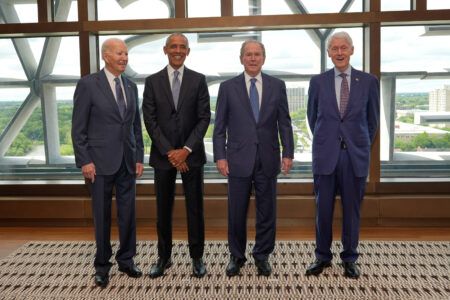
Obama Center opens with a call to defend democracy
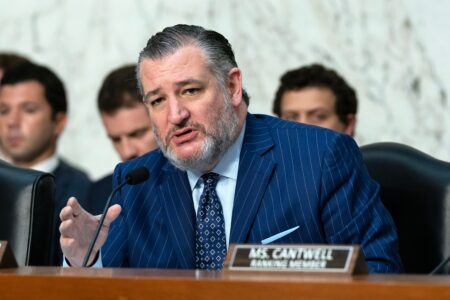
College sports bill clears a key Senate hurdle despite SEC, Big Ten opposition
US tells states to deal with unemployment fraud or face penalties
The U.S. Labor Department told all 50 states on Wednesday that they need to get serious about fighting fraud and ...
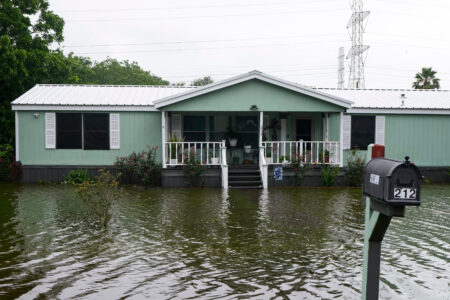
Dangerous flooding from Tropical Storm Arthur, first of the Atlantic season, threatens Gulf Coast

‘A million years isn’t enough’: Victims’ relatives confront Gilgo Beach serial killer at sentencing