

Up for sale, Cubs face uncertainty
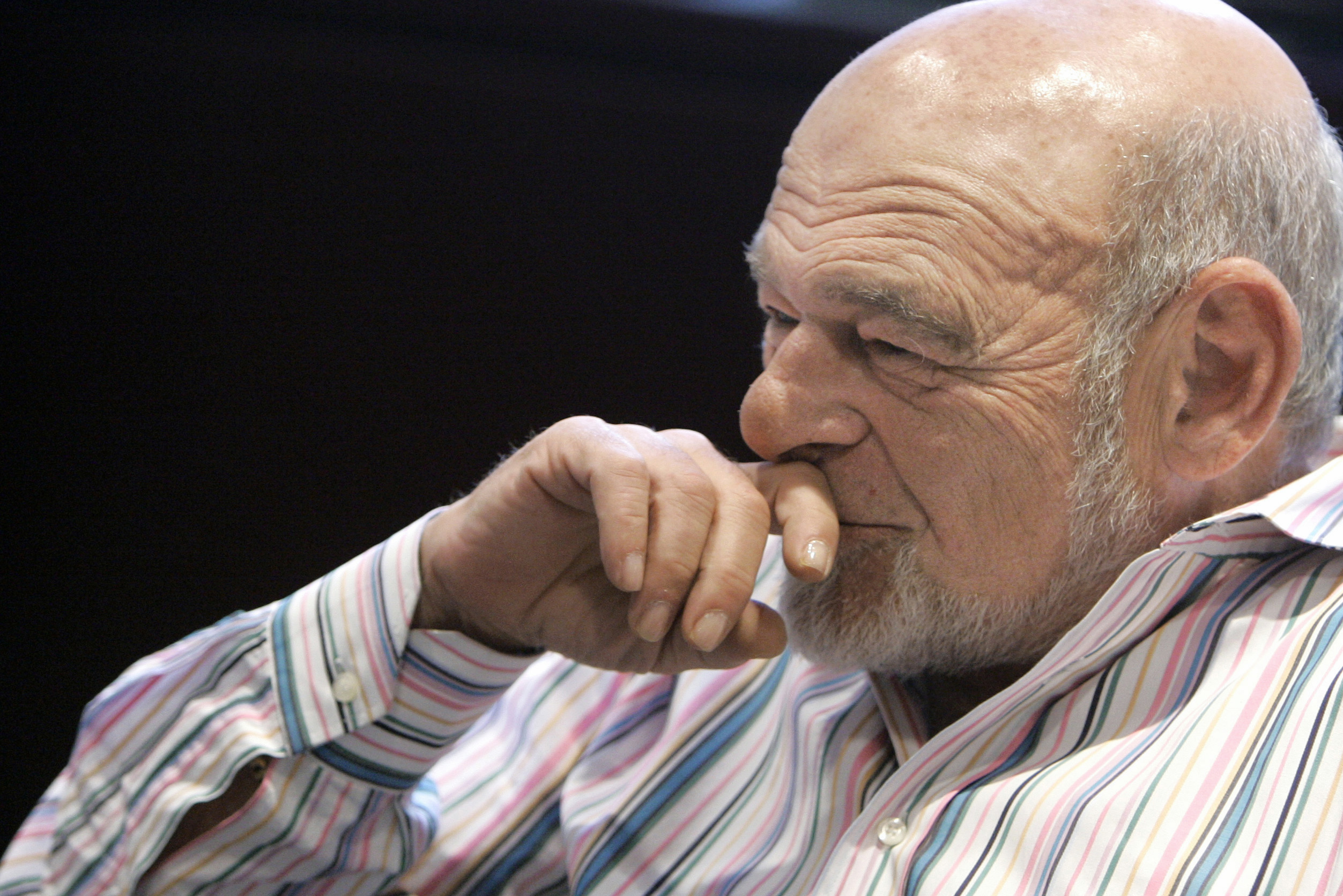
Billionaire real estate investor Sam Zell ponders a question during an interview in March. Zell acquired Tribune Co., which owns the Chicago Cubs, in April and announced shortly afterward that he'd sell the Cubs at the end of the season.
Chicago ? Chicago Cubs pitcher Carlos Zambrano wanted to reach a multiyear deal before opening day. He’s still doesn’t have a contract, and could be waiting much longer than he envisioned now that the team is for sale.
Zambrano, who was believed to be close to an $80 million contract, has gone from a Cy Young candidate a year ago to a 5-4 pitcher who gives up more than five runs per game. His struggles raise the question of whether he’s preoccupied about his deal being put on hold by the team’s sale.
“It’s just mechanics,” Zambrano said. “It has nothing to do with the contract.”
That makes him one of the few people who isn’t wondering what will happen when one of the most fabled franchises in sports is sold.
Tribune Co., which owns the team, announced in April that it was selling itself for $8.2 billion to Chicago real estate mogul Sam Zell, who made the deal contingent on shedding non-core assets. That means the Cubs will go on the auction block at the end of the season – a decision Tribune chairman and CEO Dennis FitzSimons conceded was difficult but one that “really makes sense for our shareholders.”
A who’s who of deep-pocketed buyers is expected to vie for the Cubs and possibly for Wrigley Field, the beloved home of the perennial losers. University of Oregon business professor Dennis Howard, who has written books on the business of sports, said he thinks the bidding will start at $600 million.
“If you have two viable parties competing, it will drive the price right through the roof,” he said.
Forbes magazine recently valued the Cubs at $592 million – fifth-highest in baseball behind the Yankees ($1.2 billion), the New York Mets ($736 million), the Boston Red Sox ($724 million) and the Los Angeles Dodgers ($632 million).
Some of those mentioned as potential bidders for the Cubs include Dallas Mavericks owner Mark Cuban and Chicago native Jerry Colangelo, the CEO of the Phoenix Suns who once ran the Arizona Diamondbacks.
“It depends what’s for sale. There’s nothing to speculate on until they put it up for sale,” Cuban said earlier this year. “It’s not out there yet.”
The price tag for a new owner will include some big player salaries, including an eight-year, $136 million deal for Alfonso Soriano that is the fifth-largest in baseball history and heavily backloaded. Soriano is scheduled to make $18 million in each of the final five years of the deal that runs through 2014.
Zambrano, who signed a one-year, $12.4 million deal during spring training, can be a free agent after the season. He has said he prefers to stay with the Cubs.
Sports economist Andrew Zimbalist of Smith College said signing Zambrano before the sale could actually raise the value of the Cubs.
“If they sign him to a long-term deal and people think he’s going to stay healthy and it’s a good contract for the Cubs, then it won’t hurt the team,” he said.
The Red Sox spent $103 million for Daisuke Matsuzaka – $51.11 million for the rights to negotiate and then $52 million over six years, Zimbalist said, an example of how a player with a big contract can increase a team’s value in the long run.
“If he stays healthy, he’s probably going to be worth more than that,” Zimbalist said. “So does signing him lower the value of the Red Sox? Probably not. The same thing with Zambrano.”
The Red Sox franchise, whose Fenway Park is the only stadium in the majors older than Wrigley Field, was sold in 2002. In the third season under the new owners, they won their first World Series in almost a century.
Cubs fans can only hope a sale brings the same kind of luck. They haven’t won the championship since 1908.