

Closing crunch
Don't rush signing of mortgage documents
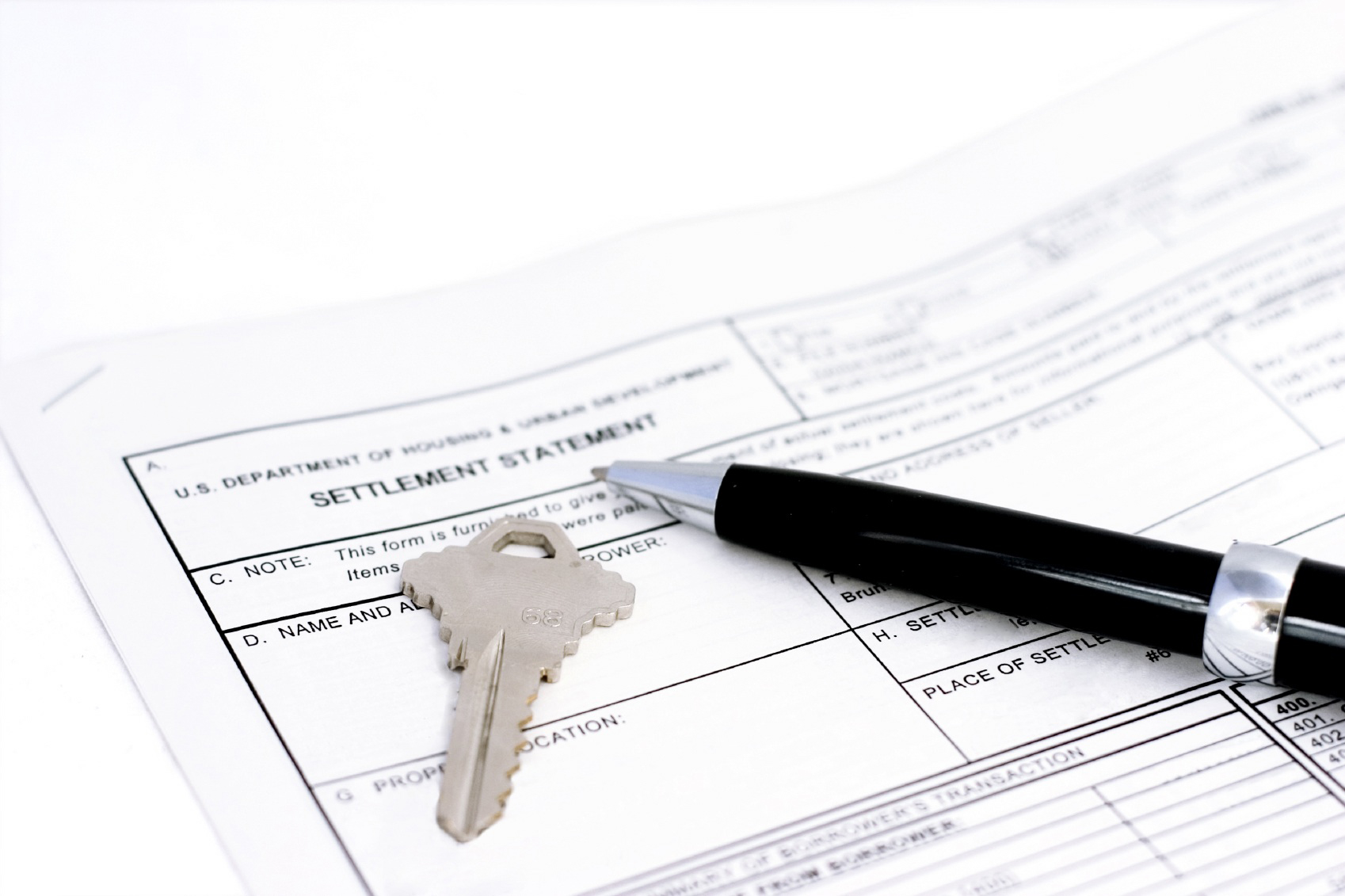
Stops along the paper trail
Here are some of the documents you should receive at closing:
¢ Settlement statement, also known as HUD-1: This lists all the important details regarding the purchase of your new home: price, amount of financing, loan fees and charges, prorated real estate taxes and amounts paid between you and the seller.
¢ Truth-in-Lending statement: Shortly after you’ve applied for your mortgage, you will get an initial statement from your lender that includes your estimated monthly payment and the total cost of all finance charges. You’ll get a final statement at the closing if these amounts have changed.
¢ Mortgage note: This is your formal promise to repay the debt. It also spells out the amount and terms of the loan, along with the potential penalties if you don’t make your payments on time, as well as any prepayment penalties that may be required.
¢ Deed of trust: This lists the legal rights and obligations of you and the lender, including the lender’s right to foreclose on the home if you default on the loan.
– Dallas Morning News
You’ve just gone through the arduous process of buying a home – finding a house you like, negotiating a price, applying for a loan – and now you’re at the finish line.
Welcome to the closing table, where you’ll sign dozens of documents and pay a forest of fees.
Although you may want to sign the papers quickly so that you can get the keys to your new home, take your time in looking things over.
The last thing you need is to have a problem pop up and delay the deal. Closing is the last stage in getting your mortgage and transferring ownership of the home to the buyer. The process involves all parties in the transaction signing the papers that seal the deal.
Ideally, you have kept up with the mortgage process at every stage of your transaction.
“The time to make the changes and the time to understand changes and the time to understand what you are actually transacting is not at the closing table,” said Keith Gumbinger, analyst at HSH Associates, which publishes mortgage information.
The closing typically takes place at a title insurance company, which acts as the neutral agent for the parties involved – the buyer, seller and lender. The title company helps with the transfer of ownership by ensuring that terms of the transaction are completed.
Those typically present are you, the seller and professionals who will facilitate the process:
¢ The closing agent is responsible for preparing or ordering all the necessary documents. The closing agent conducts the settlement meeting and makes sure that all documents are signed and recorded and that closing fees and escrow payments are paid and properly distributed.
¢ The title company representative, who provides written evidence of the property’s ownership.
¢ The seller’s real estate agent.
¢ Sometimes your loan officer.
While the closing agent will give you a basic explanation of each document to be signed, you should take the time to read each one completely to make sure you know exactly what you’re signing.
“You’ll probably see and sign more legal documents at your closing than at any other event in your life,” according to www.homeloanlearningcenter.com, a home-buying information Web site.
Within three days after you apply for a home loan, a lender is required to give you a “good-faith estimate” of your closing costs, your estimated monthly mortgage payment, the cost of your finance charges and other facts about your mortgage.
Shortly after you apply for your mortgage, you will receive a Truth-in-Lending statement from your lender that includes your estimated monthly payment and the total cost of all finance charges involved in your mortgage.
You’ll get a new, final statement at the closing if these amounts have changed.
Mortgage broker Gary Akright said buyers “need to look at the annual percentage rate. It should be fairly close to the note rate, but there are some designated closing costs that have to be factored in – such as points – that affect the APR. The APR almost in all cases is going to be higher than the mortgage rate.”
At closing you will sign the mortgage note, which is legal evidence of your mortgage and includes your formal promise to repay the debt. It also spells out the amount and terms of the loan, along with the penalties the lender can impose if you don’t make your payments on time.
“Verify that the interest rate at closing is the same you were quoted by your lender,” said Craig Jarrell, a regional president for of Pulaski Mortgage Co.
Differences in the interest rate are one of the most common points of disputes at closing, experts said.
Federal law says you’re entitled to review your closing documents 24 hours in advance, and it’s a good idea to do so.
One of the key documents is what’s called the HUD-1, or the settlement statement. It’s the document that ties the whole transaction together by listing all the important details regarding the home purchase: price, amount of financing, loan fees and charges, prorated real estate taxes and amounts paid between you and the seller. Both you and the seller must sign it.
One of the most common last-minute surprises involves fees that are different from what was originally described, said Gumbinger of HSH Associates.
One way to prevent this is to stay on top of fees during the home-buying process, he said.