

Software maker adjusts leadership
Company reorganizes after Windows delay
Seattle ? Microsoft Corp. announced a shake-up Thursday of the unit that includes its flagship Windows operating system, two days after the company admitted it wouldn’t have its next consumer version of Windows ready for the holiday season as planned.
Under the changes, Microsoft said that Steven Sinofsky, a high-ranking executive currently in charge of developing many of the company’s Office business products, would lead a new group that includes Windows and Windows Live, a key effort to provide more Web-based offerings.
Microsoft said Sinofsky would focus on planning future versions of Windows, while outgoing Windows executive Jim Allchin would work closely with another Microsoft executive, Brian Valentine, to finish the long-delayed Windows Vista.
Microsoft also said Ben Fathi, a Windows executive currently working on storage and file systems, would replace Mike Nash as head of its Security Technology Unit. Nash will take on another, as yet unannounced role at Microsoft.
Security issues were among the reasons for the delay in Windows Vista. But Kevin Johnson, co-president of the unit that is being reorganized, said Nash’s departure from that job is unrelated.
The Redmond, Wash.-based company said the restructuring was aimed at improving its online strategy, making quicker decisions without going through layers of executive approval, and responding more nimbly to growing threats from online competitors.
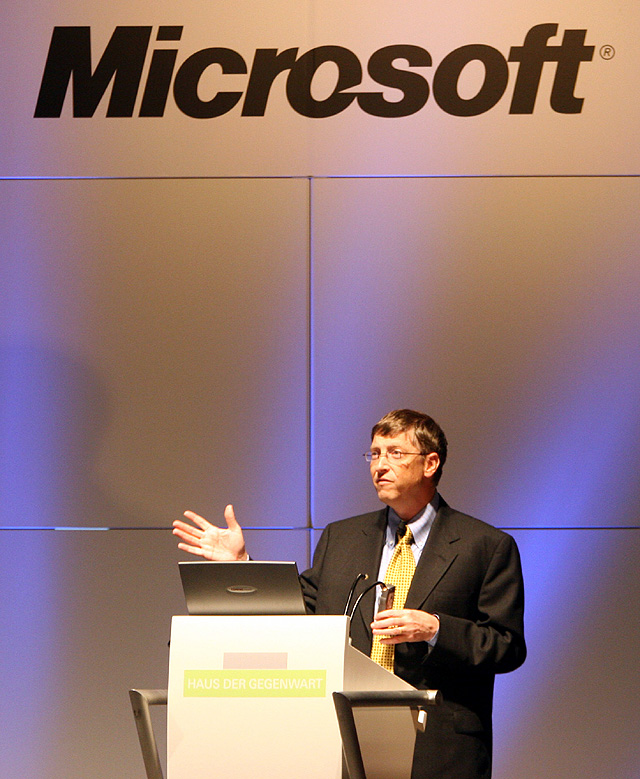
Microsoft Corp. announced a shift in management Thursday after admitting it wouldn't have its next consumer version of Windows ready until January 2007. The changes follow a directive Microsoft Chairman Bill Gates issued several months ago to offer more ways to do things like store e-mail and manage business tasks over the Internet.
Google Inc. and Yahoo Inc. are fast developing Internet-based products for such things as sending e-mail or storing photos, and these free services threaten Microsoft’s desktop-bound Windows and other products.
Michael Cherry, an analyst with independent research firm Directions on Microsoft, questioned whether changing executive leadership would solve the problems that led to the Vista delay and other setbacks.
More fundamental, he said, is a cultural problem in which management is afraid to tell top executives that projects can’t be completed in time, or with the myriad features that have been promised.
“You have to go back to some basic discipline, and I don’t think that the Windows division and Microsoft have shown a lot of discipline,” he said.