

Rising rates, gas prices adding up
More consumers falling behind on credit-card payments
New York ? Rising interest rates and higher gasoline prices are putting the squeeze on consumers’ budgets, and many are finding it harder to keep up with their bills.
Credit counseling agencies say that consumers are coming in droves, seeking help.
“My phones are going crazy,” said Howard Dvorkin, president of the nonprofit Consolidated Credit Counseling Services Inc. in Fort Lauderdale, Fla. “Consumers are carrying an exorbitant amount of debt – and they don’t have any savings to fall back on if things don’t go right.”
An important measure of consumer financial distress, late payments on credit cards, ticked up in the first quarter, according to figures from the American Bankers Assn. The Washington, D.C., based trade group said the percentage of bank cards 30 or more days past due increased to 4.40 percent in the January-March quarter from 4.27 percent in the final quarter of 2006.
The Federal Reserve’s decision last week to raise short-term interest rates for the 17th consecutive time will boost yet again borrowing costs for consumers, likely prompting more delinquencies on credit card bills – as well as on auto loans and mortgages.
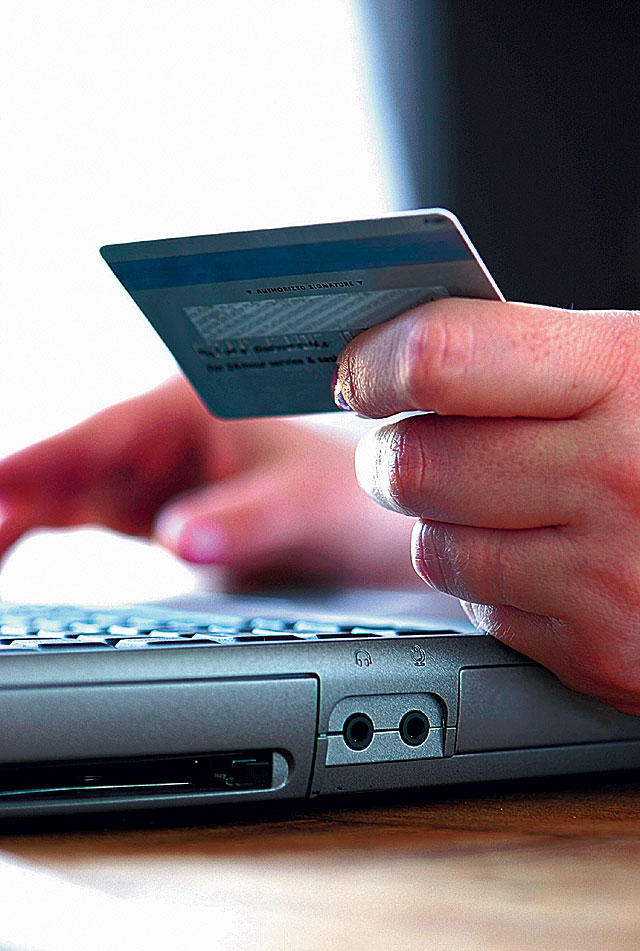
The slowing economy also is depressing income growth, so a greater percentage of take-home pay is going toward necessities and less is left over for debt payment.
Among the consumers who recently put a call into Dvorkin’s counseling center was Andreia Marshall, an assistant project manager for a builder in Delray Beach, Fla.
Marshall said that after she broke up with her boyfriend, her paycheck wasn’t big enough to cover her apartment rent, higher gasoline prices and other day-to-day expenses. Soon she started falling behind on her credit card bills.
“It got to the point where the credit card companies were calling,” she said. “It’s overwhelming, you feel as if you’re drowning and you feel bad about yourself.”
With help from a credit counselor, Marshall is working out a budget and whittling down her $13,000 in card debt, which she figures could take 3 1/2 years.
“I have to think about everything I spend,” she said.
Troubling signs
Howard Dvorkin, president of the nonprofit Consolidated Credit Counseling Services Inc. in Fort Lauderdale, Fla., said juggling payments is one of the “leading indicators” that a consumer is in trouble. He added that other telltale signs are:
¢ You only make minimum payments month after month.
¢ You’re taking cash advances on one credit card to make the minimum payments on others.
¢ You delay – or are late, with important payments, such as the monthly mortgage.
¢ You put off necessary activities, such as doctors’ appointments.
Catherine Williams, a credit expert with Money Management International, a Houston-based financial counseling and education agency, said rising costs for gasoline and utilities were only part of the explanation for rising credit card delinquencies and increased consumer financial stress.
“People refinanced (their mortgages) six months or a year ago, so the ‘house bank’ is empty,” Williams said. “Most can’t go back and tap their home equity again.”
In addition, she said, consumers can only juggle debt payments for a while. As she put it: “You let the car payment go one month, then the house payment. Then you make a lot of little creditors happy for one month, maybe for two months. Then it becomes obvious that you have to catch up on car payments, and everything else slides.”
Williams called it “a dangerous strategy” because consumers who let accounts go delinquent risk harming their credit ratings.
A poor credit rating makes it harder for consumers to get loans and can force them to pay higher rates on the loans they do get.