

U.S. scours markets for stolen data
Bagram, Afghanistan ? A shopkeeper outside the U.S.-led coalition headquarters in Afghanistan was selling computer memory drives Wednesday containing seemingly sensitive military data stolen from inside the base – including the Social Security numbers of four American generals.
This shopkeeper was apparently not the only merchant in local bazaars trying to get cash in exchange for hardware and software containing such files.
The surfacing of the stolen computer devices has sparked an urgent American military probe for the source of the embarrassing security breach, which has led to disks with the personal letters and biographies of soldiers and lists of troops who completed nuclear, chemical and biological warfare training going on sale for $20 to $50.
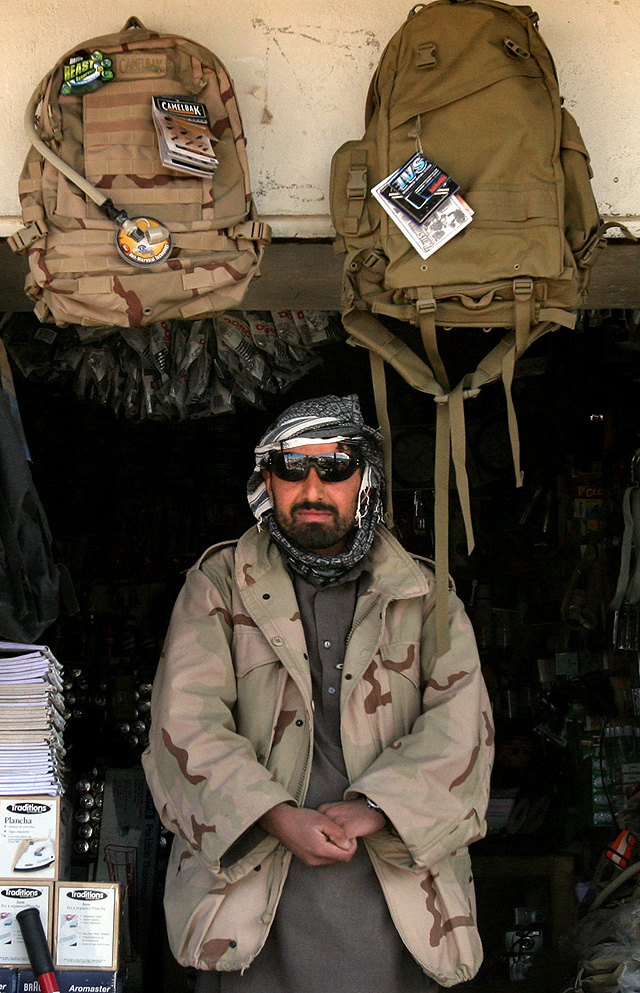
An Afghan vendor waits for customers at a bazaar outside the U.S. military base in Bagram, north of Kabul, Afghanistan. The U.S. military said Wednesday it was investigating the sale of computer discs with seemingly sensitive military data, which were stolen from inside its headquarters in Afghanistan.
Five military investigators, surrounded by heavily armed plainclothes U.S. soldiers, searched many of the two-dozen rundown shops outside the sprawling base.
Asked whether any disks had been found, one soldier, who declined to give his name, said: “We are looking. That’s all I can say.”
The shopkeeper, who spoke on condition of anonymity because of fears he may be arrested, said he was not interested in the data stored on the memory sticks and was selling them for the value of the hardware.
“They were all stolen from offices inside the base by the Afghans working there,” he said. “I get them all the time.”
About 2,000 Afghans are employed as cleaners, office staff and laborers at the Bagram base. Though they are searched coming in and out of the base, the flash drives are the size of a finger and can easily be concealed on a body.
The shopkeeper showed an Associated Press reporter a bag of about 15 and allowed them to be reviewed on a laptop computer. Only four contained data. The rest did not work or were blank.
U.S. military spokesman Lt. Mike Cody said the “regularly (surveys) bazaars across Afghanistan for the presence of contraband materials, but thus far have not uncovered sensitive or classified items.”
U.S. commander Lt. Gen. Karl W. Eikenberry has ordered a review of policies and procedures relating to the accountability of computer hardware and software, Cody said.