

Homes can be outfitted to minimize injuries
For most people, the home is a warm and friendly place. But for those of us with physical disabilities, the home can be fraught with danger — an accident just waiting to happen.
Room by room, the risk of personal injury can be minimized to more easily facilitate the routine activities of life.
A major area of concern is the bathroom. Most of us are familiar with the utility of grab bars. But in addition the tile floor can be made of a non-skid material. A toilet can be outfitted with a seat to increase its height. Alternatively, most home improvement stores sell higher toilet bowls that meet the standards of The Americans With Disabilities Act. Side grab bars also can assist in getting up and down from the toilet itself.
In the shower/bathtub area, grab bars and a seat can be used to navigate in and out of a tub. A hand-held shower can also direct the water when seated.
In the bedroom a rail can be fastened permanently to the frame to ease getting in and out of bed. Alternatively, the rail can be secured from under the mattress. Night lights should also be utilized to facilitate a pathway when using the bathroom at night.
A kitchen stove with front controls would eliminate the danger of reaching over hot burners. An even better alternative is a separate wall oven. Whether it has a pull-down door or if it opens to the side, try to have at least one shelf of the oven at counter-top level to facilitate the transfer of hot food.
Other nifty kitchen devices are: brooms and dust pans with long handles to avoid bending; utensils with easy-to-grab handles; cutting boards that pull out like a drawer; pull-out shelves in low-level cupboards; and even a rechargeable electric can opener.
Stairs in a home always pose a danger for those with physical disabilities. That potential hazard can be mitigated by installing a rail on both sides of the staircase.
Modifying the width of doorways and hallways represents a major undertaking for the home. However, the use of a walker or wheelchair or any other mobility device may necessitate such an alteration.
More ideas can be generated by an occupational therapist, especially by those designated as Certified Aging-in-Place Specialists (CAPS) by the National Association of Home Builders. A durable medical equipment dealer can also be part of a team approach toward making the home a safer and friendlier place.
Health
Program that helped people with disabilities scrapped again
Margaret Tomlinson has been recovering from a traumatic brain injury for three years. Nearly a year ago, she moved ...

Excitement builds as LMH Health draws closer to completing Therapy Services renovations

More children’s hospitals turn to furry caregivers to help kids heal
Sometimes ‘baby blues’ is actually something darker
Moments after Jenna Carberg gave birth to her daughter, doctors put the baby on her chest. “I felt a disconnect ...
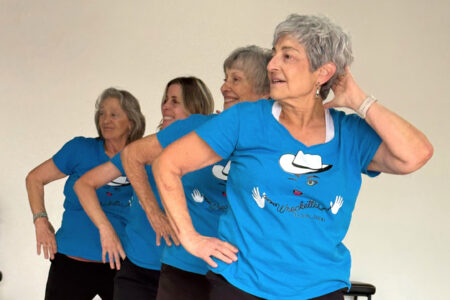
Moving to music offers all kinds of benefits as you age
Conflicting mamogram advice leads to confusion
WASHINGTON — Deciding when to get routine mammograms is confusing. Some health groups recommend women begin at ...