

Alternative medicine appearing throughout hospitals
Cindy Olson bent down to pick up a twig and threw out her back. The pain was excruciating, to say the least.
“I’m a big baby anyway as far as pain,” said Olson, 44, of Inver Grove Heights, Minn. She didn’t have to hesitate about what to do next. Olson headed straight to the emergency room at Woodwinds Hospital in Woodbury, Minn.
A nurse injected her with a non-narcotic painkiller and taped a cotton ball moistened with a therapeutic oil to her back. Olson settled in to wait, but she didn’t wait long. Within minutes, she began to feel the pain fading.
Olson is one of a growing number of patients being offered alternative therapies. All that counted to Olson was that the pain retreated, and the shot didn’t made her drowsy.
Nor did it matter to her emergency room physician, Dr. David Hale, who is overseeing the introduction of non-traditional medicine in the emergency room. He sees oils, music therapy and other alternative treatments as additional tools in his medical bag.
Non-traditional therapies have often been used alongside conventional Western medicine since the 70-bed hospital opened four years ago. Soothing recorded music is offered at each bedside, and a pianist plays melodies on a grand piano in the lobby, where massive windows showcase the “healing gardens” outside.
Non-traditional medicine is indeed catching on in many hospitals nationwide, but emergency room applications still are rare. Abbott Northwestern Hospital in Minneapolis has used acupuncture, healing touch and massage therapy in non-emergency areas for some time, said hospital spokeswoman Jennifer Johnson, but now such therapies are being expanded.
Johnson said the goal of Abbott’s Institute for Health and Healing, which opened in July, is “to offer integrative medicine services to every patient who comes to our campus,” and emergency room doctors will be able to order such services for patients.
Health
Program that helped people with disabilities scrapped again
Margaret Tomlinson has been recovering from a traumatic brain injury for three years. Nearly a year ago, she moved ...

Excitement builds as LMH Health draws closer to completing Therapy Services renovations
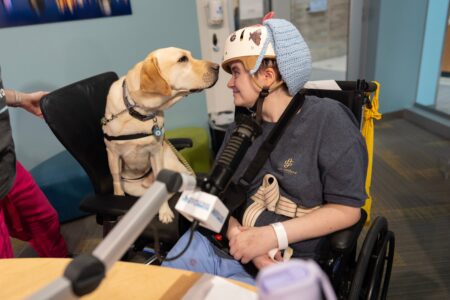
More children’s hospitals turn to furry caregivers to help kids heal
Sometimes ‘baby blues’ is actually something darker
Moments after Jenna Carberg gave birth to her daughter, doctors put the baby on her chest. “I felt a disconnect ...
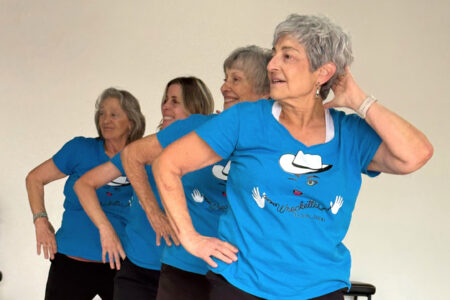
Moving to music offers all kinds of benefits as you age
Conflicting mamogram advice leads to confusion
WASHINGTON — Deciding when to get routine mammograms is confusing. Some health groups recommend women begin at ...