

Open scheduling reduces waiting time at doctors’ offices
A trial run at making doctor’s appointments available on short notice has gone so well at the handful of practices in the Raleigh, N.C., area that tried it that fans of the approach have established a collective to teach other practices how to do it.
The group, which grew out of a collaboration of physicians with the health care systems at Duke University and the University of North Carolina, expects to train 25 North Carolina practices this year.
For patients, it could mean much easier access to their doctors when they really need it. Practices that have “open-access” scheduling leave at least half of their daily appointment slots open, clearing the way for patients with urgent medical needs.
The approach also makes it much easier to schedule preventive care, such as children’s immunizations or annual physicals, which should work to keep patients healthier over the long term.
“Before, a patient would call up with a problem but we’d be full,” said Tony Galiani, practice manager of Family Medical Associates in Durham, which switched to the system last spring. “To fit them in, we’d have to double book, and the doctors would have to stay late. It felt like we were always running behind. That doesn’t happen any more.”
The practice’s patients are happier, and so is its medical staff.
Questionnaires showed that more than 80 percent of respondents rated their office visit excellent or better, compared to 62 percent in a survey taken six months earlier. Sixty percent of Family Medical Associates’ office staff rated the practice an excellent place to work, compared to 20 percent in questionnaires six months earlier.
Other practices that switched to open-access scheduling saw similar results.
Getting patients in for appointments faster is just part of the payoff. An important goal of the open-access system is improving the practice’s inner workings, so most of the patient’s visit is spent on patient care, not idle in the waiting room.
The Duke University Affiliated Practices, a 14-practice network owned by the Duke University Health System, is among the biggest proponents. Five of its practices, including Family Medical Associates, already use open-access scheduling. Another seven practices are learning it.
Health
Program that helped people with disabilities scrapped again
Margaret Tomlinson has been recovering from a traumatic brain injury for three years. Nearly a year ago, she moved ...

Excitement builds as LMH Health draws closer to completing Therapy Services renovations
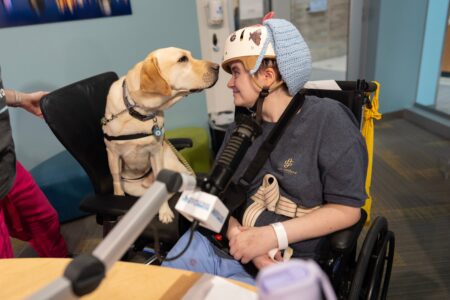
More children’s hospitals turn to furry caregivers to help kids heal
Sometimes ‘baby blues’ is actually something darker
Moments after Jenna Carberg gave birth to her daughter, doctors put the baby on her chest. “I felt a disconnect ...

Moving to music offers all kinds of benefits as you age
Conflicting mamogram advice leads to confusion
WASHINGTON — Deciding when to get routine mammograms is confusing. Some health groups recommend women begin at ...