

Study finds no vaccine connection to autism
Chicago ? Autism rates in Denmark do not appear to be linked to thimerosal, a mercury-containing preservative once added to some childhood vaccines, according to an analysis of three decades of data.
An apparent increase in autism rates in Denmark began shortly before the discontinuation of thimerosal-containing vaccines there in 1992 but continued for several years thereafter, the study found.
“Thimerosal has been eliminated from childhood vaccines in most industrialized countries,” said lead author Dr. Kreesten Meldgaard Madsen. “If indeed thimerosal was an important cause of autism, (autism rates) should soon begin to decline in these countries.”
“We did not see this decline,” said Madsen, whose study was published today in the September issue of Pediatrics.
Though the amount of mercury in vaccines was small, vaccine makers in the United States began phasing out thimerosal a few years ago as a precaution recommended by public health officials.
Mercury can cause neurological damage in high doses.
Many parents of autistic children think increases in the number of recommended childhood vaccines are to blame for the apparent autism surge, though many scientists think that’s just a coincidence.
The Institute of Medicine reviewed the issue and in 2001 said a potential link between thimerosal and neurodevelopmental disorders was unproven but medically plausible. The institute, a private advisory group to the U.S. government, recommended additional research.
Dr. Robert Byrd of the University of California, Davis, who has studied a surge in autism cases in California, said the Danish study wouldn’t settle the question.
Its flaws include using only data on hospitalized autistic children until 1995 but adding outpatients after that, which muddles whether there were any changes in autism rates, Davis said.
Health
Program that helped people with disabilities scrapped again
Margaret Tomlinson has been recovering from a traumatic brain injury for three years. Nearly a year ago, she moved ...

Excitement builds as LMH Health draws closer to completing Therapy Services renovations
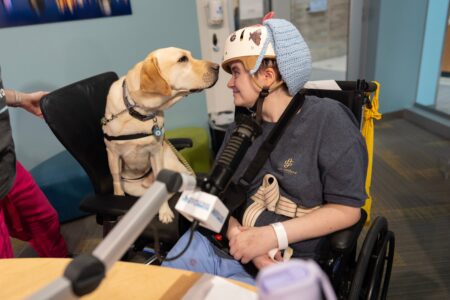
More children’s hospitals turn to furry caregivers to help kids heal
Sometimes ‘baby blues’ is actually something darker
Moments after Jenna Carberg gave birth to her daughter, doctors put the baby on her chest. “I felt a disconnect ...

Moving to music offers all kinds of benefits as you age
Conflicting mamogram advice leads to confusion
WASHINGTON — Deciding when to get routine mammograms is confusing. Some health groups recommend women begin at ...