

FBI scrutinizes sources in wake of China spy case
Washington ? The FBI is reviewing each of the thousands of people who provide it intelligence to make sure they are being handled properly and giving accurate, high-quality information.
The review began last summer after FBI Director Robert Mueller learned about alleged double agent Katrina Leung, now charged with giving the Chinese government classified information she took from her longtime lover, retired FBI counterintelligence agent James J. Smith.
The review is being done by an intelligence division task force answering to the FBI’s No. 2 official, Deputy Director Bruce Gebhardt. The work involves checking sources’ information for consistency and any contradictions by comparing it with other intelligence. Lie detector tests are being used in select cases.
“Counterintelligence and counterterrorism are top priorities, and human sources are the backbone,” FBI spokesman Mike Kortan said. “We’re taking a top-to-bottom look at every key asset to ensure that the information we’re getting is valid.”
A federal grand jury in Los Angeles returned a six-count indictment Wednesday charging Smith with gross negligence and wire fraud, charges that carry a maximum sentence of 40 years in prison. The government faces a Friday deadline to seek grand jury indictments against Leung as well.
Although the exact number of FBI intelligence “assets” is secret, officials say it likely numbers in the low thousands. How much money is spent also is classified, but it is easily in the millions of dollars per year.
According to court documents, the FBI paid Leung $1.7 million over nearly two decades for information about the People’s Republic of China. That put her in the FBI’s top echelon category, reserved for only the most valuable assets.
FBI intelligence assets, most of them operating in the United States, provide detailed information about the inner politics, movements and plans of foreign governments or organizations such as terrorist groups. They differ from informants, who also are covert but are used to build cases against drug dealers, mobsters, corporate swindlers and other mainly domestic criminals.
The review of intelligence assets is partly a response to the attacks of Sept. 11, 2001, when it became clear the FBI needed to recruit more informants for its new top priority of detecting terrorists and preventing attacks.
But it was given new urgency by the Leung case, in which Smith has been charged with gross negligence for allegedly giving her access to classified material during a sexual relationship that lasted most of two decades. Both Leung and Smith are married.
The FBI is trying to assess the damage done, including whether national security secrets were given away and U.S. investigations of Chinese spying compromised.
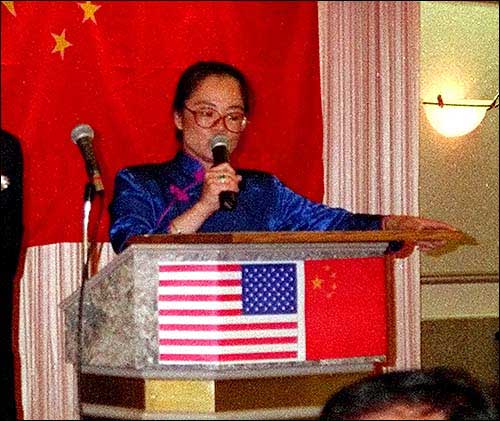
Katrina Leung arranges events for the Chinese Consulate in this March 1997 file photo in San Gabriel, Calif. Leung is now charged with giving the Chinese government classified information she took from her longtime lover, retired FBI counterintelligence agent James J. Smith.