Husband-to-wife liver transplant succeeds
Valhalla, N.Y. ? Teddy Mocibob gave up smoking and drinking, and then he did a little gambling.
He surrendered 60 percent of his liver to his wife, Elena, despite doctors’ warnings of the possible risks to his health and even his life — and having to cast aside his longtime vices.
“They said we were a 100 percent match, and I said ‘Set up the date and let’s go,” Mocibob recalled Friday. “I love her. If I had to do it again next week, I would do it.”
There won’t be any need for that, since doctors have declared the July 29 procedure a success.
“The surgery went extremely well, and they’re doing extremely well,” said Dr. Patricia Sheiner, Westchester Medical Center’s director of liver transplants. “There’s no evidence of any rejection.”
In three months, she said, the transplanted piece of liver that Elena Mocibob received will regenerate to 90 percent of normal size.
Elena, 43, who suffered from a liver disease, would have lived only a few years without a transplant, doctors said.
Before her husband could be a donor, he had to be in good enough health to withstand the surgery and recovery. That meant a cold-turkey approach to alcohol and tobacco, habits he picked up in his native Croatia.
Teddy Mocibob, 50, who speaks with a heavy accent, said he knew he could give it all up for her.
Sheiner said it was clear that Teddy Mocibob was willing to do anything for his wife, but that wasn’t enough.
“We have to make sure they know the risks,” she said.
Potential donors undergo significant screening for more than just physical readiness. Criteria such as how they will handle the emotional and psychological impact of the procedure, and basics like whether they can afford to be out of work for months and if children depend on them also are evaluated.
The intensive screening process was put in place statewide after the death last year of a donor who gave part of his liver to his brother in a procedure at a New York City hospital.
The Mocibobs have been married less than four years and their four children, all teenage or older, are from previous marriages.
More than 90 percent of all liver transplants are done from cadavers. Of live donations, there’s only about one case a year nationwide involving husband and wife.
Health
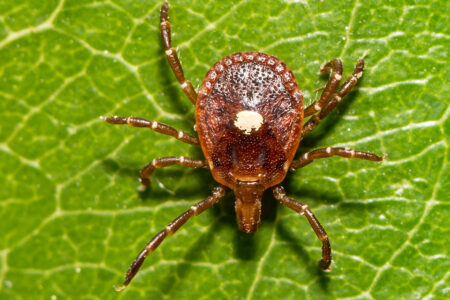
ER visits for tick bites on the rise throughout the Midwest
FDA OKs first new sunscreen ingredient in over 25 years
WASHINGTON — Federal health regulators last week signed off on the first new sunscreen ingredient for the U.S. ...
OB-GYN group makes its 1st vaccine recommendations
A prominent OB-GYN group announced vaccine recommendations on Wednesday that differ from what the U.S. ...

How to talk to kids about vaping as fruity flavors make a comeback
Program that helped people with disabilities scrapped again
Margaret Tomlinson has been recovering from a traumatic brain injury for three years. Nearly a year ago, she moved ...